
Introduction:
The world of software development is constantly evolving, driven by rapid advancements in technology and changing user needs. Staying updated with the latest trends is essential for developers and businesses alike to build efficient, secure, and innovative applications.
In 2025, several key trends are shaping the way software is designed, developed, and deployed. This blog will explore the most important software development trends you need to know to stay ahead in this competitive and fast-paced industry.
Software Development Trends in 2025
As technology continues to evolve at lightning speed, software development is also transforming in exciting ways. In 2025, developers and businesses are focusing on innovation, speed, and security more than ever before. Here are some of the top trends shaping the software development landscape this year:
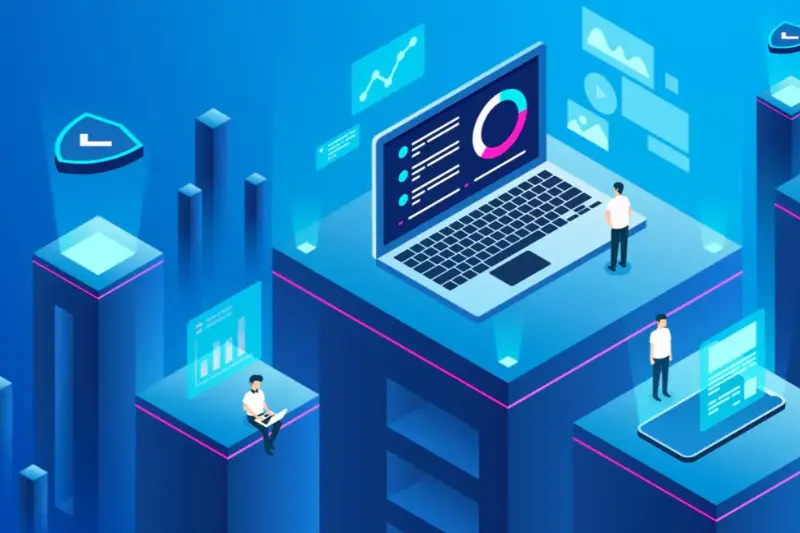
Artificial Intelligence (AI) and Machine Learning (ML) Integration
- AI and ML are no longer just buzzwords—they are becoming core parts of software applications. From smart automation to predictive analytics, these technologies help create more intelligent, responsive, and personalized software.
Low-Code and No-Code Development
- To speed up software delivery and empower non-developers, low-code and no-code platforms are gaining huge popularity. They allow users to build applications quickly with minimal coding, reducing development time and costs.
DevOps and Continuous Delivery
- The DevOps culture is becoming standard practice, with teams focusing on continuous integration, continuous delivery (CI/CD), and automation. This leads to faster releases, higher software quality, and better collaboration between development and operations.
Cloud-Native Development and Microservices
- Cloud computing is driving software architecture toward microservices and containerization. Cloud-native apps are more scalable, flexible, and easier to maintain, making them the preferred choice for modern enterprises.
Edge Computing and Serverless Architecture
- To reduce latency and improve performance, edge computing is being combined with serverless models. This approach allows processing data closer to the user, reducing reliance on centralized servers.
You may also like to read this:
4K Smart TVs: Revolutionizing Home Entertainment
Smart TV Buying Guide:Smart Features
Latest Smart TV Models You Can Buy Now
Top Software Development Trends to Watch
In 2025, several exciting trends are reshaping how software is created and delivered. Keeping an eye on these will help developers and businesses stay competitive:
Artificial Intelligence and Machine Learning
- AI-powered features are being integrated into more applications, enabling smarter automation, personalized experiences, and better decision-making.
Low-Code and No-Code Platforms
- These platforms allow faster app development by enabling even non-technical users to create software using visual interfaces, speeding up innovation.
DevOps and Continuous Integration/Continuous Deployment (CI/CD)
- DevOps practices and automated pipelines help teams release updates faster, fix bugs quickly, and improve software reliability.
Cloud-Native and Microservices Architecture
- Building applications as independent, modular services deployed in the cloud increases scalability, flexibility, and resilience.
Edge Computing and Serverless
- Processing data closer to users through edge computing and using serverless infrastructure reduces latency and optimizes resource use.
Enhanced Cybersecurity and DevSecOps
- Embedding security into every stage of development ensures stronger protection against growing cyber threats.
How These Trends Are Changing the Industry
The software development trends of 2025 are not just technical buzzwords—they are actively transforming the industry in powerful ways:
Faster Development Cycles:
- Thanks to low-code/no-code platforms and DevOps automation, development teams can build and release software more quickly, allowing businesses to respond rapidly to market demands.
Increased Innovation:
- AI and machine learning integration empower developers to create smarter, more personalized applications that deliver greater value to users.
Improved Scalability and Flexibility:
- Cloud-native architectures and microservices make it easier for organizations to scale applications and add new features without disrupting existing services.
Enhanced User Experiences:
- Progressive Web Apps and edge computing reduce latency and improve performance, providing smoother and more reliable experiences across devices.
Stronger Security Posture:
- With growing cyber threats, embedding security throughout the development process (DevSecOps) ensures software is more resilient against attacks, protecting both users and data.
Lower Barriers to Entry:
- Low-code and no-code platforms enable non-developers to contribute to software creation, expanding the pool of innovation and democratizing technology.
Overall, these trends are fostering an environment where software is developed faster, smarter, and safer, reshaping how businesses operate and compete in the digital world.
Challenges in Adopting New Trends
While the latest software development trends offer many benefits, embracing them isn’t without challenges. Here are some common hurdles organizations and developers face:
Learning Curve and Skill Gaps:
- New technologies like AI, microservices, or cloud-native development require specialized skills. Teams may need extensive training or hiring, which takes time and resources.
Integration with Legacy Systems:
- Many businesses still rely on older software. Integrating modern trends with legacy systems can be complex, costly, and risky.
Security Risks:
- Adopting new tools and architectures sometimes introduces vulnerabilities if security isn’t prioritized from the start.
Cost Concerns:
- Implementing cutting-edge technology can require significant investment in infrastructure, tools, and talent.
Resistance to Change:
- Teams and management might resist shifting from familiar processes to newer methodologies like DevOps or low-code platforms.
Tool and Platform Fragmentation:
- The rapidly evolving landscape can overwhelm developers with too many tools and frameworks, complicating standardization and maintenance.
You may also like to read this:
Latest Tech News 2025: Breakthroughs & Trends
Trending Technology Updates: Latest Innovations 2025\
Daily Tech News Highlights – Latest Trends
Breaking Tech News Today: Latest Updates, 2025
Tips to Stay Ahead as a Developer
In the fast-moving world of software development, staying current with new trends is essential. Here are some tips to help developers keep their skills sharp and remain competitive:

Continuous Learning:
- Regularly update your knowledge through online courses, webinars, and reading industry blogs to keep up with emerging technologies like AI, DevOps, and cloud-native development.
Hands-On Practice:
- Build personal projects or contribute to open-source software to gain practical experience with new tools and frameworks.
Join Developer Communities:
- Participate in forums, attend meetups, and join social media groups to exchange ideas, get support, and learn from peers.
Embrace Agile and DevOps Practices:
- Familiarize yourself with agile methodologies and automation tools that streamline development and improve collaboration.
Focus on Security:
- Learn best practices in cybersecurity to build safer software and understand the principles of DevSecOps.
Be Adaptable:
- Stay open to experimenting with new languages, platforms, and development approaches as the industry evolves.
Frequently Asked Questions (FAQs)
What are software development trends?
Why is it important to follow software development trends?
What is the biggest trend in software development in 2025?
How can a beginner keep up with software development trends?
Are low-code and no-code platforms replacing developers?
What challenges come with adopting new software trends?
Conclusion
Software development in 2025 is marked by rapid innovation and exciting new trends that are reshaping how applications are built and delivered. From AI integration to cloud-native architectures, these trends offer incredible opportunities for developers and businesses to create smarter, faster, and more secure software. While challenges exist in adopting these technologies, staying informed, adaptable, and proactive will help you thrive in this evolving industry. Embracing these trends today will prepare you for the future and ensure your software solutions remain competitive and relevant in the digital age.
You may also like to read this:
Future Technology Trends: Innovations That Will Shape World