
Introduction
In today’s digital world, smart devices are everywhere — from smartphones and tablets to smart TVs, watches, and even home appliances. But behind every smart device is an Operating System (OS) that controls how it works, runs apps, and connects with other devices.
The OS is like the brain of a smart device, deciding how fast it runs, what features it supports, and how easy it is to use. Some operating systems are designed for flexibility and customization, while others focus on speed, security, or seamless integration with other devices.
In this guide, we’ll explore the most popular OS for smart devices, their key features, and how they shape our everyday tech experience. Whether you’re a gadget lover or just looking for your next device, knowing about these OS options will help you make a smarter choice.
What is an Operating System for Smart Devices?
An Operating System (OS) is the core software that manages a device’s hardware, runs applications, and provides an interface for the user. In simple terms, it’s the “control center” that makes your device work.
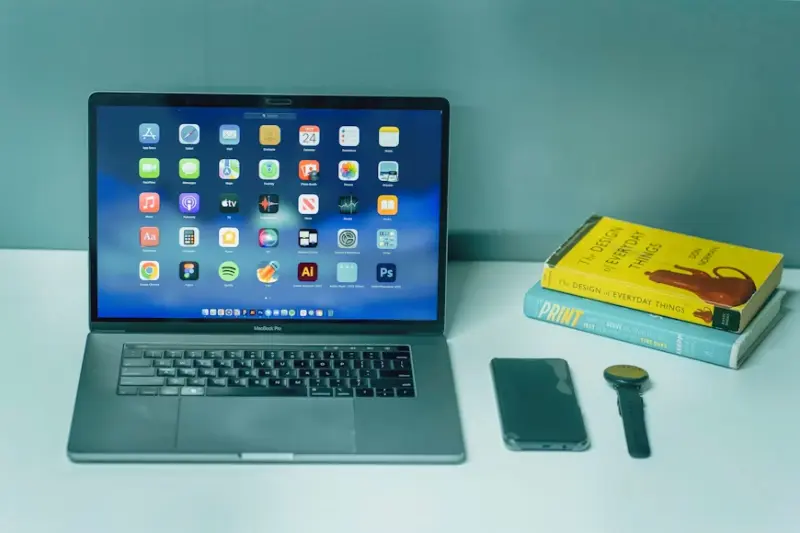
For smart devices, the OS does much more than just run apps — it also handles internet connectivity, voice commands, touch controls, sensors, and communication with other smart gadgets.
You may also like to read this:
Latest Tech News 2025: Breakthroughs & Trends
Trending Technology Updates: Latest Innovations 2025\
Daily Tech News Highlights – Latest Trends
Breaking Tech News Today: Latest Updates, 2025
Key functions of a smart device OS include:
- Managing hardware: Controls the processor, memory, display, and sensors.
- Running applications: Provides a platform for apps to operate smoothly.
- User interface: Offers menus, icons, and navigation for easy interaction.
- Connectivity: Enables Wi-Fi, Bluetooth, and IoT communication.
- Security: Protects the device from viruses, hacking, and unauthorized access.
Without an OS, even the most advanced smart device would be nothing more than a piece of hardware with no way to function.
Top Popular OS for Smart Devices in 2025
Smart devices today run on a variety of operating systems, each designed to offer unique features, performance, and user experiences. Here are the most popular OS options in 2025 and what makes them stand out.
Android OS
- Developer: Google
- Best For: Smartphones, tablets, smart TVs, wearables, IoT devices
Why Popular:
- Open-source and highly customizable
- Supports a massive library of apps via Google Play Store
- Used by leading brands like Samsung, OnePlus, Xiaomi, and more
- Key Strength: Flexibility and affordability, making it accessible worldwide.
iOS (Apple)
- Developer: Apple Inc.
- Best For: iPhones, iPads, iPods, and Apple Watches
Why Popular:
- Smooth performance and sleek user interface
- Regular updates with strong security
- Deep integration with the Apple ecosystem (Mac, AirPods, Apple Watch)
- Key Strength: Premium, secure, and user-friendly experience.
HarmonyOS (Huawei)
- Developer: Huawei Technologies
- Best For: Huawei smartphones, tablets, wearables, IoT products
Why Popular:
- Designed for seamless multi-device connectivity
- Lightweight, fast, and energy-efficient
- Expanding quickly, especially in China
- Key Strength: Ideal for IoT and cross-device communication.
Wear OS (Google)
- Developer: Google
- Best For: Smartwatches and wearables
Why Popular:
- Optimized for small screens and voice commands
- Works with both Android and iOS devices
- Comes with Google services like Assistant, Maps, and Fit
- Key Strength: Feature-rich wearable OS with wide compatibility.
Tizen OS
- Developer: Samsung Electronics
- Best For: Smart TVs, smartwatches, and home appliances
Why Popular:
- Fast boot times and smooth performance
- Strong security features
- Powers millions of Samsung smart TVs worldwide
- Key Strength: Specially optimized for smart TVs and connected appliances.
How to Choose the Best OS for Your Smart Device
With so many operating systems available, choosing the right one depends on your needs, budget, and preferences. Here are the key factors to consider:
Device Compatibility
Not every OS works on every device. For example, iOS only runs on Apple products, while Android and HarmonyOS are found on multiple brands. Always check if the OS supports your preferred device type.
User Experience
- Do you prefer customization or a simple interface?
- Android: Highly customizable with themes and widgets.
- iOS: Minimal, clean, and user-friendly.
- Tizen / Fire OS: Focused on specific device types like TVs or Amazon products.
App Availability
- Some OS have larger app stores than others.
- Google Play Store (Android) and Apple App Store (iOS) have the widest selection.
- KaiOS supports only essential apps but works well for basic needs.
Ecosystem Integration
- If you already use multiple devices, pick an OS that connects them easily.
- Apple ecosystem (iOS, watchOS, macOS) works seamlessly together.
- Google services (Android, Wear OS) sync across multiple devices and brands.
Performance & Speed
- Choose an OS that runs smoothly on your device’s hardware. High-end devices benefit from iOS or flagship Android, while budget devices might work best with KaiOS or lightweight Android versions.
Benefits of Using the Right Smart Device OS
Choosing the right operating system for your smart device can make a big difference in how well it performs, how easy it is to use, and how long it stays secure. Here are some key benefits:
Better Performance
- A well-matched OS ensures your device runs smoothly without lag, making apps load faster and battery last longer.
Enhanced Security
- The right OS provides strong protection against malware, hacking, and data theft with regular security updates and built-in safety features.
Access to the Right Apps
- Different OS platforms offer different app libraries. Picking the right one ensures you have access to the tools, games, and services you need.
Seamless Device Integration
- When your OS matches your other devices, everything works together smoothly — from sharing files to syncing calendars and controlling smart home gadgets.
User-Friendly Experience
- A suitable OS fits your comfort level, whether you like a simple interface (like iOS) or heavy customization (like Android).
You may also like to read this:
4K Smart TVs: Revolutionizing Home Entertainment
Smart TV Buying Guide:Smart Features
Latest Smart TV Models You Can Buy Now
Best Smart TVs 2025: Top Picks for Picture Quality, Gaming & Value
Future Trends in Smart Device Operating Systems
The world of smart device operating systems is evolving rapidly, driven by new technologies and changing user demands. Here are some trends we can expect to see in the coming years:
More AI-Powered Features
- Operating systems will integrate artificial intelligence to improve personalization, automate tasks, and enhance voice assistants. Devices will anticipate user needs and adapt automatically.
Greater Cross-Device Connectivity
- OS platforms will focus on seamless communication between smartphones, wearables, smart TVs, cars, and home appliances — creating a truly connected ecosystem.
Enhanced Privacy and Security
- With rising cyber threats, operating systems will introduce stronger encryption, better permission controls, and more transparent data management.
Lightweight OS for IoT and Wearables
- As smart gadgets get smaller, we’ll see more lightweight, energy-efficient OS versions designed specifically for IoT devices, smartwatches, and AR/VR headsets.
More Open-Source Development
- Open-source operating systems like Android will continue to grow, encouraging innovation, customization, and broader hardware compatibility.
FAQs About Popular OS for Smart Devices
Which is the most popular OS for smart devices?
Can I change the operating system on my smart device?
Which OS is best for security?
Which OS is best for budget-friendly devices?
Do all operating systems support the same apps?
Conclusion
Smart devices have become a central part of modern life, and the operating systems behind them play a key role in shaping our experience. Whether it’s Android’s flexibility, iOS’s smooth performance, Tizen’s smart TV optimization, or HarmonyOS’s cross-device connectivity, each OS offers unique strengths.
By understanding the features, compatibility, and benefits of each platform, you can choose an operating system that perfectly matches your needs, budget, and lifestyle. As technology continues to evolve, expect even smarter, faster, and more connected OS platforms — making our devices more capable than ever before.
You may also like to read this:
Future Technology Trends: Innovations That Will Shape World