

Introduction
Technology is changing faster than ever before, and with each passing year, new innovations are reshaping the way we live, work, and connect with the world. From artificial intelligence to space exploration, modern technology is solving real-world problems and opening doors to endless possibilities. These advancements are not only making our lives more convenient but also helping industries become smarter, more efficient, and sustainable.
In this article, we’ll explore some of the latest innovations in technology that are driving the future and transforming everyday life in exciting ways.
Latest Innovations in Technology
Technology is constantly evolving, and some of the latest innovations are setting new benchmarks across industries. Let’s take a closer look at the most impactful advancements shaping our world today:
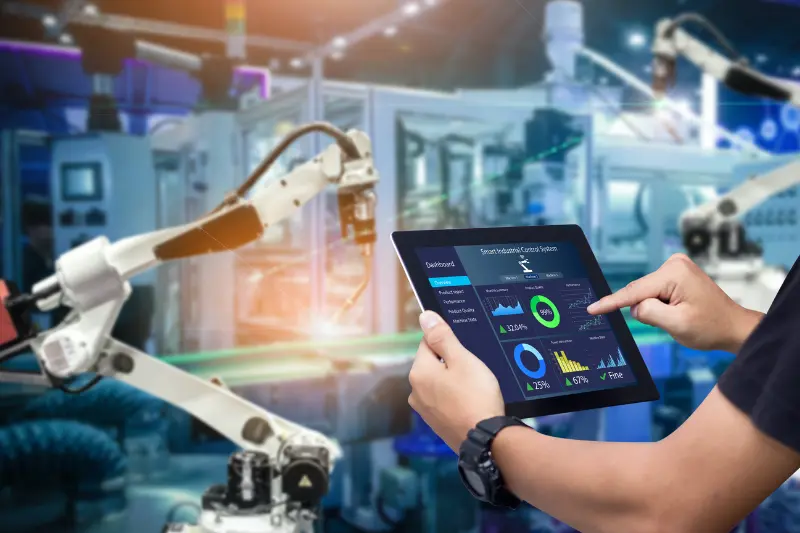
Artificial Intelligence (AI) and Machine Learning
- AI is one of the biggest game-changers. It’s powering chatbots, voice assistants, self-driving cars, and predictive analytics. In healthcare, AI helps doctors detect diseases early, while in business, it automates processes and improves customerexperiences. Machine learning is making apps smarter and enabling systems to learn from data without human intervention.
You may also like to read this:
4K Smart TVs: Revolutionizing Home Entertainment
Smart TV Buying Guide:Smart Features
Latest Smart TV Models You Can Buy Now
Best Smart TVs 2025: Top Picks for Picture Quality, Gaming & Value
Quantum Computing
- Quantum computers use qubits instead of traditional bits, allowing them to solve highly complex problems much faster. This innovation has the potential to revolutionize cryptography, drug discovery, weather forecasting, and financial modeling, making tasks that would take years on normal computers possible in just seconds.
5G and the Road to 6G
- 5G technology is already delivering faster internet speeds, lower latency, and better connectivity. It’s enabling smart cities, autonomous vehicles, and the Internet of Things (IoT). Looking ahead, 6G networks promise even more futuristic applications like holographic communication, ultra-realistic virtual experiences, and remote surgeries.
Biotechnology and Health Tech
- Healthcare is being transformed with innovations like telemedicine, wearable devices, robotic surgeries, and genetic engineering (CRISPR). Wearables can track heart rates, sleep, and oxygen levels in real time, while gene editing offers new possibilities for curing diseases at the DNA level.
Augmented Reality (AR) & Virtual Reality (VR)
- Once seen only in gaming, AR and VR are now used in education, real estate, training, tourism, and therapy. Students can learn in interactive 3D classrooms, buyers can take virtual tours of properties, and doctors can use VR for advanced medical training.
Green and Sustainable Technology
- With climate change concerns, green tech is gaining momentum. Innovations include electric vehicles, renewable energy solutions, smart grids, and biodegradable materials. Companies are now investing in eco-friendly packaging and energy-efficient technologies to build a sustainable future.
Space Technology
- Space innovation is no longer limited to government agencies. Companies like SpaceX, Blue Origin, and NASA are making space exploration more affordable. Satellites are improving global internet coverage, navigation, and weather tracking, while space tourism is slowly becoming a reality.
Robotics and Automation
- Robotics is moving beyond factories into healthcare, logistics, agriculture, and even homes. Robots now deliver packages, assist in surgeries, help in disaster recovery, and support elderly care. Automation is also increasing productivity by handling repetitive tasks more efficiently.
Impact of These Innovations on Our Future
The latest innovations in technology are not just transforming industries today—they are paving the way for how our future will look. These advancements will bring opportunities, new ways of living, and some challenges that we must prepare for.
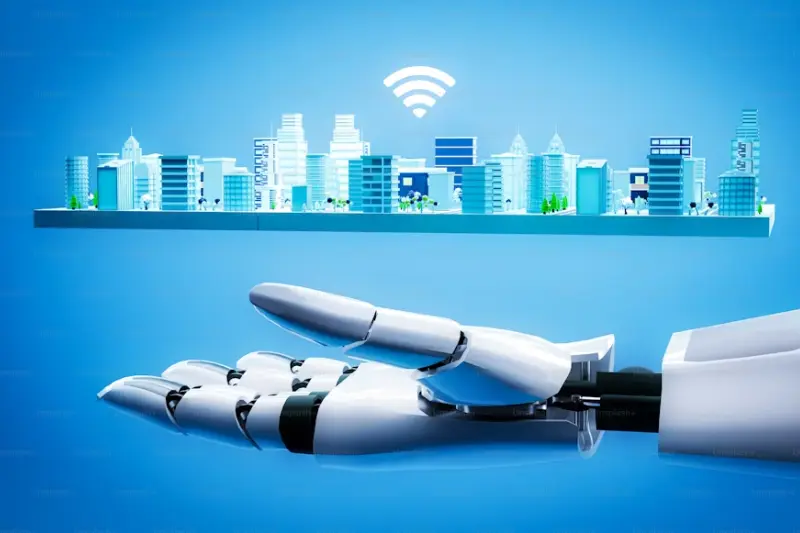
Smarter Work and Businesses
- With AI, automation, and robotics, workplaces will become more efficient. Repetitive tasks will be handled by machines, allowing humans to focus on creativity, strategy, and problem-solving. Businesses will be able to analyze data faster and make better decisions, leading to smarter industries.
Better Healthcare and Longer Life Expectancy
- Health technologies such as telemedicine, AI-powered diagnostics, and gene editing will allow people to get faster, more accurate treatments. Wearable devices will help individuals monitor their health in real-time, leading to longer, healthier lives.
Improved Communication and Connectivity
- 5G and future 6G networks will make communication almost instant, enabling innovations like real-time holograms, smart cities, and global collaboration. People will connect more easily across borders, boosting education, work-from-home setups, and virtual interactions.
Eco-Friendly Living
- Green and sustainable technology will play a key role in fighting climate change. From electric vehicles to renewable energy, these solutions will help reduce pollution and carbon emissions, creating a cleaner and healthier environment for future generations.
Space Exploration and Global Opportunities
- With advances in space technology, humanity could expand beyond Earth. Space tourism, moon bases, and even missions to Mars may become possible, opening doors to new industries and resources outside our planet.
Challenges Ahead
- While these innovations are exciting, they also bring challenges. Job displacement due to automation, cybersecurity threats, data privacy concerns, and ethical issues in AI and biotechnology need to be addressed carefully. Striking a balance between growth and responsibility will be crucial.
You may also like to read this:
Future Technology Trends: Innovations That Will Shape World
Upcoming Tech Innovations to Watch in 2025
Latest Technology Advancements: Transforming Our World
FAQs Latest Innovations in Technology:
What are the latest innovations in technology today?
How is Artificial Intelligence transforming industries?
What is quantum computing and why is it important?
How will 5G and 6G affect everyday life?
What role does biotechnology play in modern healthcare?
How are AR and VR used beyond gaming?
Why is green technology important for the future?
How is space technology advancing?
What are the risks of rapid technological growth?
Conclusion
Technology is advancing at a pace we’ve never seen before, and its impact can be felt in every part of our lives. From AI and robotics to green energy and space exploration, these innovations are making the world smarter, faster, and more connected. They offer solutions to global challenges, improve healthcare, and even open doors to opportunities beyond Earth.
At the same time, rapid growth brings challenges like privacy concerns, cybersecurity risks, and job automation. To truly benefit from these advancements, we must use technology responsibly and focus on creating a balance between innovation and ethics.
One thing is certain: the latest innovations in technology will continue to transform our world, and those who embrace them will be best prepared for the future.
You may also like to read this:
New Operating Systems 2025: A Complete Overview