
Introduction
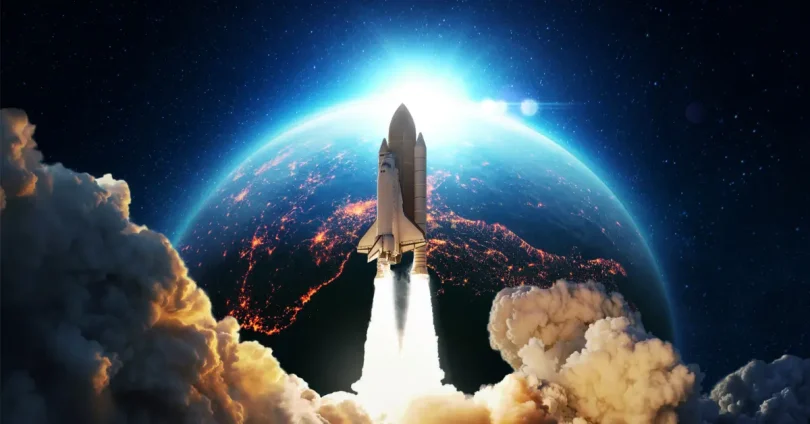
From the first rocket launch to landing on the Moon, humankind has always been fascinated by space. Today, space exploration is no longer just a dream for scientists—it’s becoming a reality for all of us, thanks to incredible space technology innovations. These advancements are not only helping us explore planets, stars, and galaxies but also improving our daily lives on Earth.
From GPS and satellite communication to reusable rockets and space tourism, space technology is shaping the future in exciting ways. In this blog, we’ll explore some of the most groundbreaking innovations in space technology, their benefits, challenges, and what the future might look like beyond our planet.
What is Space Technology?
Space technology refers to all the tools, equipment, systems, and methods that are developed to explore and use outer space. It includes everything from rockets and satellites to space stations, telescopes, and even advanced robotics. In simple words, space technology is what makes space exploration possible.
You may also like to read this:
4K Smart TVs: Revolutionizing Home Entertainment
Smart TV Buying Guide:Smart Features
Latest Smart TV Models You Can Buy Now
Best Smart TVs 2025: Top Picks for Picture Quality, Gaming & Value
Examples of space technology include:
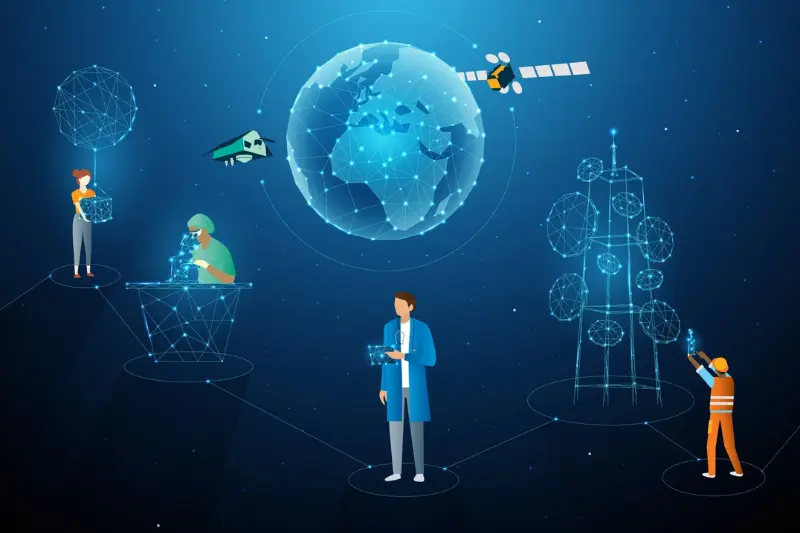
- Satellites – used for GPS, communication, weather forecasting, and Earth observation.
- Spacecraft & Rockets – vehicles designed to travel beyond Earth’s atmosphere.
- Space Stations – like the International Space Station (ISS), which serves as a research laboratory in orbit.
- Robotics & AI – machines and software that help astronauts and explore distant planets.
While space technology is designed for outer space, many of its innovations have a direct impact on life on Earth. For instance, the same satellites that study distant galaxies also help us make phone calls, predict the weather, and track natural disasters.
Importance of Space Technology Innovations
Space technology innovations play a crucial role in both exploring the universe and improving life on Earth. These advancements are not just about reaching planets or sending satellites—they directly affect communication, science, health, and even the economy.
Expanding Human Knowledge
- Innovations in space technology allow scientists to study distant planets, stars, and galaxies. This helps us understand how the universe works and whether life exists beyond Earth.
Boosting Communication and Connectivity
- Satellites make global communication possible. From GPS navigation to internet services, space innovations ensure that the world stays connected.
Improving Safety and Disaster Management
- Space-based technology helps in weather forecasting, climate monitoring, and tracking natural disasters like cyclones or floods—saving countless lives.
Driving Technological Growth on Earth
- Many everyday technologies such as solar panels, water purification systems, and even advanced medical devices were developed because of space research.
Inspiring Future Generations
- Space exploration sparks curiosity and encourages young people to pursue careers in science, engineering, and innovation—driving progress for future generations.
Top Space Technology Innovations
Space exploration has advanced rapidly in recent years, thanks to groundbreaking technologies that make missions safer, cheaper, and more effective. Below are some of the most important innovations shaping the future of space:
Reusable Rockets
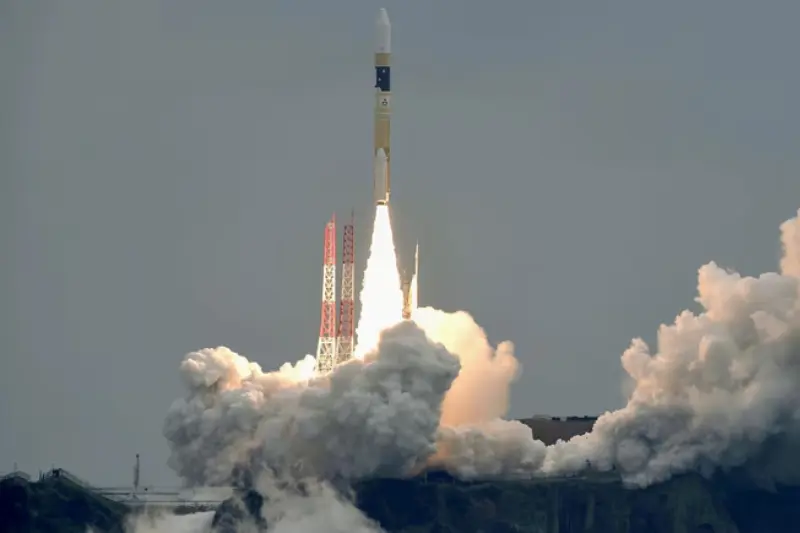
- In the past, rockets could only be used once, making space missions extremely expensive. Companies like SpaceX have developed reusable rockets that can return to Earth, be repaired, and launched again. This has drastically reduced the cost of space travel and opened new opportunities for exploration.
Mini Satellites (CubeSats)
- Miniaturized satellites, also known as CubeSats, are small, lightweight, and cost-effective. Despite their size, they can perform powerful tasks such as Earth observation, communication, and scientific experiments. They make space research more affordable for universities, startups, and smaller nations.
Space Robotics and AI
- Robots and artificial intelligence are essential for space exploration. For example, NASA’s Perseverance Rover on Mars uses AI to move around and conduct experiments. Robots also assist astronauts with maintenance tasks and help explore places that are too dangerous for humans.
3D Printing in Space
- Imagine needing a spare part in space—rather than waiting for a supply mission, astronauts can now use 3D printers to create tools and components onboard the International Space Station (ISS). In the future, this technology could even help build habitats on the Moon or Mars.
Space Tourism
- What once seemed like science fiction is now becoming real. Companies like Blue Origin and Virgin Galactic are developing spacecraft for space tourism, allowing civilians to experience weightlessness and see Earth from space. Although still expensive, it’s a big step toward commercial space travel.
Space-Based Solar Power
- Scientists are working on the idea of capturing solar energy in space—where the sun’s rays are stronger and constant—and transmitting it back to Earth. If successful, space-based solar power could provide unlimited clean energy and reduce our dependence on fossil fuels.
Benefits of Space Technology Innovations
Space technology may sound like it only benefits astronauts and scientists, but in reality, its impact reaches into almost every part of our daily lives. From the way we communicate to how we predict the weather, these innovations make the world safer, smarter, and more connected.
Better Communication
- Satellites enable global communication, powering mobile networks, internet services, and even live television broadcasts. Without them, GPS navigation and global connectivity wouldn’t be possible.
Accurate Weather Forecasting
- Weather satellites help track storms, predict rainfall, and monitor climate patterns. This information is essential for agriculture, disaster management, and saving lives during natural calamities like hurricanes or floods.
Disaster Monitoring and Management
- Space technology can detect earthquakes, wildfires, and rising sea levels. Early warnings from satellites give communities time to prepare and reduce damage.
Advancements in Healthcare
- Medical technologies such as remote monitoring, robotic surgery, and imaging systems have roots in space research. The need to monitor astronauts’ health in space led to many of these life-saving innovations.
Economic Growth and Job Creation
- The space industry generates billions of dollars each year and creates jobs in engineering, research, manufacturing, and tourism. Private companies like SpaceX, Blue Origin, and others are expanding economic opportunities in space.
Environmental Protection
- Earth observation satellites help monitor deforestation, pollution, and melting ice caps. This data is vital in fighting climate change and protecting ecosystems.
Inspiring Innovation Everywhere
- Space exploration pushes science and technology forward. Many everyday inventions, such as scratch-resistant lenses, memory foam, and solar panels, were originally developed for space missions.
Challenges in Space Technology Development
While space technology innovations are opening new possibilities, they also come with significant challenges. These obstacles need to be addressed to ensure safe, sustainable, and affordable space exploration in the future.
High Costs
- Building rockets, satellites, and space stations requires billions of dollars. Even with reusable rockets, the cost of space missions is still too high for many countries and organizations.
Space Debris
- Thousands of defunct satellites and rocket parts orbit Earth, creating space junk. This debris poses a risk of collisions with active satellites and spacecraft, threatening future missions.
Safety Risks
- Space travel is dangerous. Astronauts face threats like radiation, lack of gravity, and equipment failure. Ensuring safety during long missions, such as to Mars, remains a major challenge.
Technical Limitations
- Despite rapid progress, many technologies—like advanced propulsion systems, life-support habitats, and long-term food supply systems—are still under development. These are essential for deep space exploration.
Environmental Impact
- Rocket launches can release harmful gases and particles into the atmosphere, contributing to pollution and climate concerns. Developing eco-friendly launch systems is crucial.
Ethical and Legal Issues
- Questions about who owns space resources, how to regulate space mining, and how to avoid conflicts between countries are still unanswered. Clear international agreements are needed.
The Future of Space Technology
The journey of space exploration is just beginning. With rapid advancements in technology, the next few decades could completely transform how humans interact with outer space. From living on other planets to harvesting resources from asteroids, the future of space technology looks both exciting and promising.
Colonies on the Moon and Mars
- NASA, SpaceX, and other organizations are working on building sustainable habitats on the Moon and Mars. These colonies could serve as bases for long-term human presence and future interplanetary travel.
Asteroid Mining
- Asteroids contain valuable metals like gold, platinum, and rare minerals. Mining these space rocks could provide resources for both space missions and industries on Earth, potentially starting a new “space economy.”
Advanced Propulsion Systems
- Future spacecraft may use nuclear or ion propulsion to travel faster and farther than ever before. These technologies could make long-distance missions, such as to Jupiter or Saturn, more realistic.
Next-Generation Space Telescopes
- Future telescopes will be able to study distant planets in greater detail, possibly detecting signs of life. Innovations in telescope technology could help answer one of humanity’s biggest questions: Are we alone in the universe?
Space Tourism Expansion
- In the future, space tourism could become more affordable and accessible, allowing ordinary people to experience weightlessness and view Earth from orbit. Luxury space hotels may even become a reality.
Space-Based Solar Power
- Huge solar panels in orbit could collect constant sunlight and beam the energy back to Earth. This could provide unlimited, clean, and renewable power to meet global energy demands.
AI and Robotics in Deep Space Missions
- Artificial intelligence and robotics will continue to play a critical role in exploring environments that are too hostile for humans. They will help build habitats, mine resources, and explore distant planets.
You may also like to read this:
Future Technology Trends: Innovations That Will Shape World
Upcoming Tech Innovations to Watch in 2025
Latest Technology Advancements: Transforming Our World
How Space Technology Impacts Everyday Life
Space technology may sound futuristic, but its benefits are already part of our daily routines. Many of the tools and services we depend on were made possible by space innovations. Here are some everyday ways space technology touches our lives:\
GPS Navigation
- Whether you’re using Google Maps to find a restaurant or tracking a delivery, Global Positioning System (GPS) relies on satellites in space. Without them, navigation apps wouldn’t exist.
Weather Forecasting
- From predicting rain to tracking hurricanes, satellites monitor weather patterns around the world. Accurate forecasts help farmers plan crops, airlines manage flights, and communities prepare for storms.
Communication and Internet
- Television, phone calls, and internet services often depend on communication satellites. Even remote areas can stay connected thanks to space-based networks.
Banking and Financial Systems
- ATMs, online transactions, and stock markets rely on precise timing signals from satellites. Without them, the global financial system would face serious disruptions.
Healthcare Improvements
- Medical devices like remote monitoring tools, digital imaging, and even robotic surgery have roots in space research designed to keep astronauts healthy.
Environmental Monitoring
- Satellites track deforestation, melting ice, ocean pollution, and air quality. This data helps governments and scientists fight climate change and protect ecosystems.
Everyday Inventions
- Items like memory foam mattresses, scratch-resistant lenses, and cordless vacuum cleaners were originally developed for use in space missions before becoming household products.
FAQs on Space Technology Innovations
What are some examples of space technology innovations?
How does space technology improve life on Earth?
Why are reusable rockets considered a breakthrough?
What is the role of satellites in space technology?
Will humans live on Mars or the Moon soon?
What are the challenges of space technology development?
How does space tourism work?
What is space-based solar power and why is it important?
What is the future of space technology?
Why is space exploration important for humanity?
Conclusion
Space technology innovations are transforming the way we see the universe and the way we live on Earth. From reusable rockets and mini satellites to space tourism and solar power from orbit, these advancements are not just about exploring the stars—they bring real benefits to our daily lives. GPS navigation, weather forecasting, healthcare improvements, and even simple household products all exist because of space research.
As technology continues to advance, the future holds even greater possibilities—colonies on Mars, asteroid mining, and unlimited clean energy from space. While challenges like high costs, safety risks, and space debris remain, the progress we’ve made so far proves that the impossible can become possible.
You may also like to read this:
Latest Tech News 2025: Breakthroughs & Trends