

Introduction
The world is rapidly moving towards digital transformation, and at the center of this change is blockchain technology. Originally known for powering cryptocurrencies like Bitcoin and Ethereum, blockchain has now evolved into something much bigger. From finance and healthcare to supply chains and even government systems, industries across the globe are adopting blockchain for its security, transparency, and efficiency. Future of Blockchain Technology
But the big question is — what does the future of blockchain look like? In this article, we’ll explore how blockchain is shaping the future, the trends to watch, the challenges it faces, and what we can expect by 2030.
What is Blockchain Technology?
At its core, blockchain is a digital ledger system that records information in a way that is secure, transparent, and almost impossible to change. Unlike traditional databases that are controlled by a single authority (like a bank or company), blockchain is decentralized, meaning the data is stored across a network of computers.
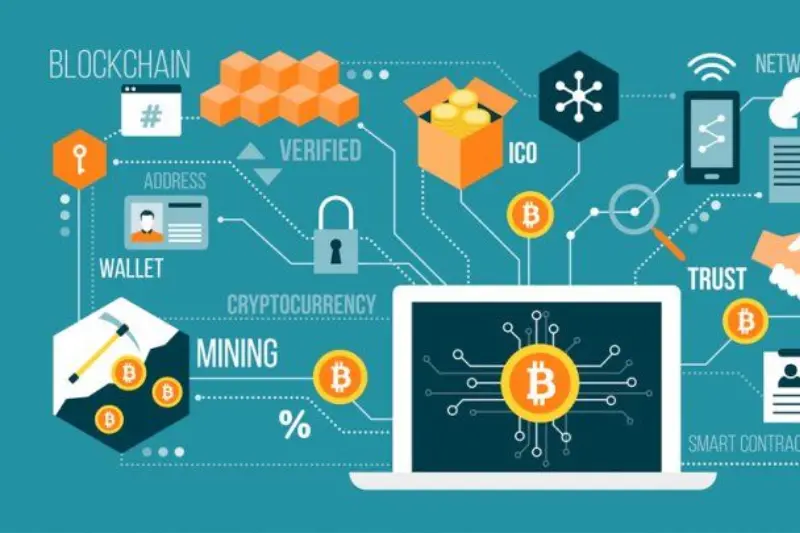
Every transaction or piece of information added to the blockchain is stored in a “block”. These blocks are linked together in a chain, creating a permanent and tamper-proof record. Once data is added, it cannot be altered without the agreement of the entire network, making it highly secure.
Key Features of Blockchain:
- Decentralized – No single authority controls it.
- Transparent – Anyone on the network can verify transactions.
- Secure – Data cannot be easily hacked or modified.
- Immutable – Once recorded, data stays forever.
In simple words, blockchain is like a digital notebook shared among thousands of people, where every page (block) is locked once written, and everyone has the same updated copy.
Why is Blockchain Important Today?
Blockchain is not just about Bitcoin or cryptocurrency anymore—it’s a transformational technology changing the way businesses, governments, and individuals operate. In today’s digital-first world, trust, security, and transparency are more important than ever, and blockchain provides all three.
Key Reasons Why Blockchain Matters Today:
Trust Without Middlemen
- Traditionally, we rely on banks, brokers, or third parties to validate transactions. Blockchain removes the middleman, allowing people to exchange value directly in a trustless system.
Enhanced Security
- Data on a blockchain is encrypted, distributed, and extremely hard to hack or manipulate, making it safer than traditional databases.
Transparency and Accountability
- Every transaction is visible to all network participants. This makes industries like supply chain and finance more open and accountable.
Faster and Cheaper Transactions
International money transfers usually take days and involve high fees. With blockchain, payments can be completed in minutes at a fraction of the cost.
Global Adoption
- From healthcare and logistics to real estate and voting systems, blockchain is being adopted across multiple industries to solve real-world problems.
Current Uses of Blockchain
Although blockchain started as the backbone of cryptocurrencies, its applications have expanded across many industries. Today, blockchain is being used in real-world solutions that go far beyond digital money.
Cryptocurrencies
- The most well-known use of blockchain is powering digital currencies like Bitcoin, Ethereum, and stablecoins. These allow people to transfer money securely, without needing a bank.
Smart Contracts
- Smart contracts are self-executing agreements written into code. They automatically carry out transactions once certain conditions are met, removing the need for lawyers or middlemen.
Decentralized Finance (DeFi)
- DeFi uses blockchain to provide financial services like lending, borrowing, and trading without banks. This opens up opportunities for people who don’t have access to traditional banking systems.
NFTs (Non-Fungible Tokens)
- NFTs are unique digital assets stored on blockchain. They are used for digital art, music, collectibles, and even real estate ownership records.
Supply Chain Management
- Companies use blockchain to track products from manufacturing to delivery. This ensures transparency, reduces fraud, and confirms authenticity.
Healthcare Records
- Blockchain helps secure patient data, ensuring it can’t be tampered with while still being accessible to authorized doctors and hospitals.
Voting Systems
- Some governments are testing blockchain-based voting systems to make elections secure, transparent, and tamper-proof.
Future of Blockchain Technology: Key Trends
Blockchain is moving from being just a cryptocurrency enabler to becoming the backbone of many industries. Here are some of the most important trends shaping its future:
Blockchain in Banking & Finance
Banks and financial institutions are already adopting blockchain to enable faster, cheaper, and more secure cross-border payments. In the future, we may see blockchain-based payment systems replacing traditional methods like SWIFT.
Integration with Artificial Intelligence (AI)
- The combination of AI and blockchain will create smarter, more secure systems. AI can analyze blockchain data for better decision-making, while blockchain ensures the transparency and reliability of AI models.
Expansion of Decentralized Finance (DeFi)
- DeFi is expected to grow rapidly, providing financial services like lending, insurance, and investing without banks. This could give billions of unbanked people access to global financial systems.
Blockchain in Healthcare
- Hospitals and healthcare providers will increasingly use blockchain for patient records, drug traceability, and secure data sharing, ensuring better healthcare services and reduced fraud.
Government and Voting Systems
- Governments may adopt blockchain for digital IDs, land records, and voting systems. Blockchain voting could make elections more transparent, accessible, and tamper-proof.
Supply Chain and Logistics
- Blockchain will play a bigger role in supply chains, helping companies track goods, verify authenticity, and reduce counterfeit products, especially in industries like food, medicine, and luxury goods.
NFTs Beyond Art
- NFTs will move beyond digital art into real estate, ticketing, gaming, and intellectual property rights, offering new ways to prove ownership and transfer assets digitally.
Sustainable & Green Blockchain
- One of the main criticisms of blockchain is its high energy usage. Future networks will focus on eco-friendly solutions such as proof-of-stake (PoS) and renewable energy-powered mining to reduce environmental impact.
Benefits of Blockchain in the Future
As blockchain technology continues to evolve, it promises to bring several benefits that can transform industries and daily life. Here are some of the most important advantages we can expect in the future:
Increased Transparency
- All transactions on a blockchain are recorded publicly and cannot be altered. This level of transparency builds trust between businesses, governments, and individuals.
Stronger Security
- With its decentralized and encrypted structure, blockchain is highly resistant to hacking or tampering. Future innovations will make it even more secure, protecting sensitive information like health records, contracts, and payments.
Cost-Effectiveness
- By cutting out middlemen (like banks, brokers, or third-party platforms), blockchain will reduce transaction costs and speed up processes, especially in global trade and finance.
Faster Transactions
- Blockchain can complete transactions in minutes instead of days, making it ideal for cross-border payments, supply chain tracking, and digital asset transfers.
Empowering the Unbanked
- In many parts of the world, people lack access to banks. Blockchain-powered systems (like DeFi and digital wallets) will allow millions to send, save, and invest money without relying on traditional banks.
Decentralization of Power
- Unlike centralized systems controlled by a few authorities, blockchain spreads power across the network, giving individuals and businesses more freedom and control over their data and assets.
New Business Models
- From tokenized real estate to NFT-based ownership, blockchain will unlock innovative business opportunities that were not possible before.
Challenges for Blockchain Adoption
While blockchain technology has great potential, there are still several challenges holding back its widespread adoption. Understanding these obstacles is key to predicting how blockchain will evolve in the coming years.
Scalability Issues
- Most blockchains struggle to handle a large number of transactions at once. For example, Bitcoin and Ethereum can be slow compared to traditional systems like Visa, which can process thousands of transactions per second.
Regulatory Uncertainty
- Governments around the world are still trying to figure out how to regulate blockchain, cryptocurrencies, and DeFi. Unclear or strict regulations can slow down innovation and adoption.
Security Risks
- While blockchain itself is secure, many exchanges, wallets, and apps built on top of it have been hacked. Phishing scams, rug pulls, and fraud are still major concerns.
Energy Consumption
- Some blockchain networks, especially those using proof-of-work (PoW), consume a huge amount of electricity. This raises environmental concerns and slows down acceptance.
User Awareness and Understanding
- Blockchain is still a complex technology for most people. Without better education and user-friendly platforms, mass adoption will remain a challenge.
Integration with Existing Systems
- For businesses and governments, shifting from traditional systems to blockchain-based solutions can be costly and time-consuming. Compatibility is another big hurdle.
FAQs About Future of Blockchain Technology
Will blockchain replace banks in the future?
Is blockchain only about cryptocurrency?
How safe is blockchain?
Can blockchain help small businesses?
What is the biggest challenge for blockchain adoption?
What will blockchain look like by 2030?
How does blockchain make transactions faster?
Can blockchain be hacked?
What industries will benefit the most from blockchain?
What is the difference between blockchain and Bitcoin?
Conclusion
Blockchain technology has already proven that it’s more than just the foundation of cryptocurrencies. From finance and healthcare to supply chains and governance, it is transforming the way the world operates. While challenges like scalability, regulation, and energy usage remain, ongoing innovations are paving the way for broader adoption.
Looking ahead, the future of blockchain is bright. By 2030, it could become as common and essential as the internet, powering secure payments, transparent systems, and decentralized applications across industries.
In short, blockchain is not just a trend—it’s a revolutionary technology that will continue to shape the digital economy and redefine how we build trust in the modern world.