Introduction
Artificial Intelligence (AI) is no longer a futuristic concept—it’s the engine driving today’s digital revolution. From automating daily tasks to generating creative content and diagnosing diseases, AI has become an essential part of our lives. Businesses, governments, and even individuals now rely on AI tools to work smarter, faster, and more efficiently.
In 2025, AI isn’t just a buzzword—it’s a lifestyle shift. It’s redefining how we think, create, and communicate. Let’s explore the most exciting artificial intelligence trends shaping our world right now and what the future holds for this game-changing technology.
Top Artificial Intelligence Trends to Watch in 2025 and Beyond
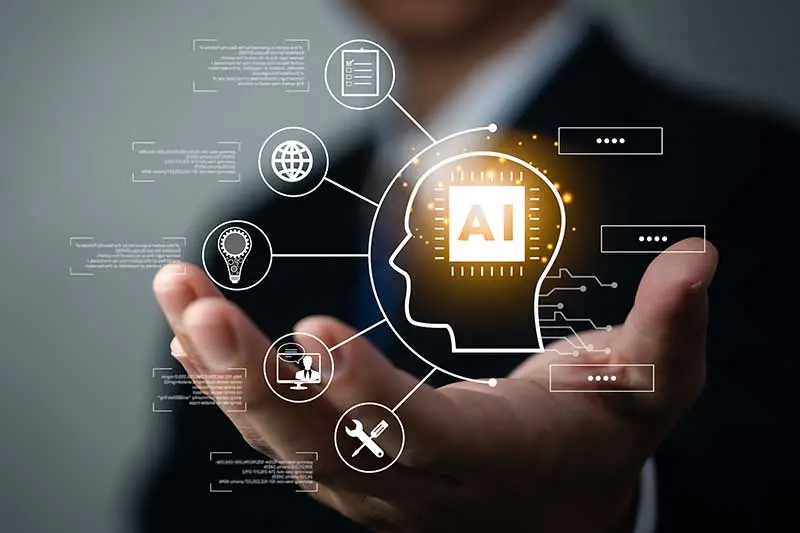
The Rise of Generative AI and Creative Automation
Generative AI tools like ChatGPT, DALL·E, and Midjourney have redefined what machines can create. These tools can write blogs, generate images, design products, and even compose music. In 2025, generative AI is becoming smarter, faster, and more accessible.
- Businesses are using it to create marketing campaigns, automate content production, and even build entire virtual worlds for gaming and the metaverse. Artists and designers are collaborating with AI to push creative boundaries, making “human + machine” creativity the new normal.
- Trend Insight: Expect generative AI to integrate deeper into video production, digital art, and even film direction—making creativity limitless.
AI-Powered Automation in Business and Industry
Automation is the backbone of digital transformation. AI-driven systems are optimizing workflows, reducing human error, and increasing productivity. From manufacturing and logistics to HR and finance, companies are turning to AI-powered robots and software to handle repetitive work.
- AI tools like Robotic Process Automation (RPA) are evolving into “intelligent automation,” which learns from human actions and adapts over time. This means faster decisions, fewer mistakes, and more efficient operations across every industry.
- Trend Insight: The future workplace will be a hybrid of humans and AI systems working side by side, focusing on creativity and decision-making while machines handle routine tasks.
AI in Healthcare: Smarter Diagnosis and Drug Discovery
The healthcare industry is one of the biggest beneficiaries of AI innovation. Advanced algorithms are now detecting diseases faster than doctors can. From early cancer diagnosis to predicting genetic disorders, AI is helping save millions of lives.
- Pharmaceutical companies are using AI to develop drugs more quickly, cutting research time by years. AI-powered robots assist in surgeries, while wearable devices track real-time health data for early detection and prevention.
- Trend Insight: Expect personalized medicine powered by AI—where treatment is customized for each person based on their DNA, health data, and lifestyle.
Ethical and Responsible AI: Building Trust and Transparency
As AI grows more powerful, ethical concerns also rise. Data privacy, algorithmic bias, and misinformation are major global issues. Governments and companies are now focusing on Responsible AI—ensuring systems are fair, transparent, and free of bias.
- In 2025, AI ethics will become a legal and social priority. Tech giants like Google, Microsoft, and OpenAI are developing AI models with fairness checks and ethical frameworks.
- Trend Insight: Future AI tools will include built-in “ethics filters” to ensure that decisions made by machines align with human values.
AI in Cybersecurity: Protecting Data with Intelligence
Cyberattacks are getting more sophisticated, and traditional security methods can’t keep up. AI is the new frontline defense in cybersecurity. Intelligent systems can identify unusual activity, predict threats, and respond in real time—faster than any human team.
- Machine learning algorithms are continuously trained to recognize evolving threats, phishing attempts, and ransomware attacks before they happen.
- Trend Insight: The integration of AI with blockchain will soon revolutionize cybersecurity by creating tamper-proof, decentralized protection systems.
Edge AI: Bringing Intelligence Closer to Devices
Edge AI means running AI models directly on devices like smartphones, drones, or IoT gadgets—without needing a constant internet connection. This allows for real-time decision-making and better privacy.
- Think of self-driving cars analyzing surroundings instantly or smart cameras that detect intruders locally. With 5G expansion, Edge AI is set to explode in applications like AR/VR, autonomous drones, and industrial automation.
- Trend Insight: Expect billions of smart devices in homes, factories, and cities using Edge AI to process data on-site, reducing latency and enhancing privacy.
AI in Education: Personalized Learning for Every Student
AI is reshaping education by creating personalized learning experiences for students. Instead of “one-size-fits-all,” AI tailors lessons based on each student’s pace, interests, and performance. Virtual tutors, chatbots, and smart grading systems make learning more interactive and accessible.
- Educational institutions are using AI analytics to predict which students need extra support and design better curriculums.
- Trend Insight: The future of education will be adaptive, immersive, and data-driven—powered by AI tutors and VR classrooms.
AI for Sustainability: Reducing Energy and Environmental Impact
Artificial intelligence is also playing a vital role in protecting our planet. AI models are optimizing energy use in smart cities, predicting natural disasters, and helping reduce waste in supply chains.
- For example, Google’s AI is reducing data center energy consumption by 40%, while climate researchers use AI to track deforestation and carbon emissions.
- Trend Insight: Expect more AI-driven solutions focused on renewable energy, recycling, and sustainable agriculture in the near future.
AI in Financial Services and Banking
Banks and financial institutions are embracing AI to improve security, detect fraud, and enhance customer service. Chatbots and virtual assistants handle millions of customer queries daily, while AI systems analyze spending patterns to offer personalized financial advice.
- AI also makes investing easier with predictive analytics, algorithmic trading, and risk assessment tools that help investors make smarter decisions.
- Trend Insight: “AI bankers” and “robo-advisors” are becoming mainstream—offering real-time financial management 24/7.
AI for Creativity: Art, Music, and Design Innovation
AI’s creative potential goes beyond logic—it’s now entering art galleries and music studios. Artists use AI to create original paintings, musicians collaborate with AI to compose new songs, and designers use AI-powered tools to generate unique fashion collections.
- Generative AI models like OpenAI’s Sora and Google’s MusicLM are redefining how we produce digital art, videos, and soundtracks.
- Trend Insight: Expect AI-curated exhibitions, AI musicians, and even virtual influencers dominating social media and entertainment industries.
How Artificial Intelligence is Changing Everyday Life
AI isn’t just transforming industries—it’s improving everyday life.
AI Assistants and Smart Homes
- From Alexa to Google Assistant, AI-powered devices help control lights, play music, or even manage your schedule. Smart home ecosystems are evolving to anticipate your needs before you ask.
AI in E-Commerce and Customer Experience
- E-commerce giants use AI to analyze customer behavior, suggest products, and optimize pricing. Personalized recommendations now drive the majority of online sales.
AI in Transportation and Smart Cities
- Self-driving cars, AI-managed traffic systems, and smart sensors are reducing congestion and improving public safety in urban areas worldwide.
Challenges and Ethical Concerns in AI Development
While AI offers incredible potential, it also raises important questions.
Bias in AI Algorithms
- AI systems can unintentionally reflect human biases from the data they’re trained on. This can lead to unfair decisions in hiring, lending, and law enforcement.
Data Privacy and Security Issues
- AI relies on large datasets, often containing personal information. Ensuring that this data is used ethically is crucial for maintaining trust.
Human-AI Collaboration vs. Job Replacement
- Automation brings efficiency but also fears of job loss. The future workforce will need to adapt, focusing on creativity, strategy, and human empathy—skills AI cannot replace.
The Future of AI: What to Expect in the Next Decade
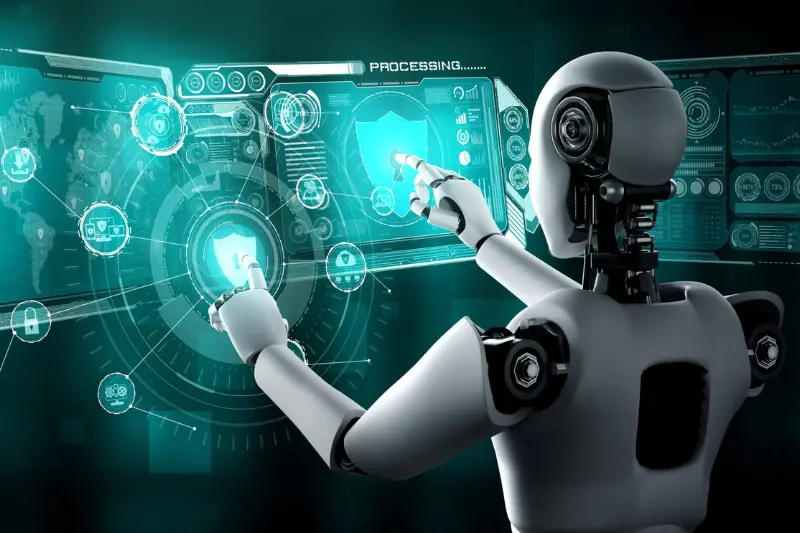
AI is still evolving, and its next chapter looks even more transformative.
Integration of AI with Quantum Computing
- Quantum computing will make AI exponentially faster, solving complex problems in seconds that currently take days or weeks.
Rise of Emotionally Intelligent AI
- AI will soon recognize emotions, tone, and intent—enabling more human-like conversations and emotional understanding.
The Role of AI in Space Exploration
- NASA and SpaceX are already using AI for navigation, communication, and autonomous control of spacecraft. Expect AI to assist in exploring Mars and beyond.
FAQs About Artificial Intelligence Trends
What are the top artificial intelligence trends in 2025?
The biggest AI trends in 2025 include generative AI, ethical AI, automation in industries, AI in healthcare, and sustainable AI technologies.
How is AI transforming everyday life?
AI is present in smart homes, e-commerce, transportation, and virtual assistants. It simplifies tasks, saves time, and personalizes user experiences.
What is generative AI and why is it popular?
Generative AI uses machine learning to create new content—like text, images, and music. Tools like ChatGPT and DALL·E have made it widely popular.
How does AI help in healthcare?
AI assists in diagnosing diseases, predicting health risks, discovering new drugs, and offering personalized treatment plans for patients.
Is AI replacing human jobs?
AI automates repetitive work but also creates new job roles in technology, data science, creativity, and AI management. The focus is shifting to collaboration, not competition.
What are the ethical challenges in AI?
The main challenges include data privacy, algorithmic bias, misinformation, and lack of transparency in decision-making systems.
How does AI impact business operations?
Businesses use AI for predictive analytics, customer support chatbots, fraud detection, and process automation, improving efficiency and profitability.
What is Edge AI?
Edge AI processes data locally on devices like phones or IoT systems, allowing real-time responses without depending on the cloud, improving speed and security.
How can AI help the environment?
AI promotes sustainability by optimizing energy use, predicting natural disasters, reducing waste, and improving agricultural practices.
What’s the future of artificial intelligence?
The future of AI involves emotional intelligence, quantum-powered computing, and deeper integration into daily life—making technology more human-like and adaptive.
Conclusion:
Artificial Intelligence is no longer a distant dream—it’s the foundation of our digital world. From healthcare and finance to education and creativity, AI is transforming every aspect of modern life. The trends shaping 2025 show that AI will continue to evolve, becoming more responsible, creative, and human-centric.
As automation and innovation advance, the key lies in balancing technology with ethics and human values. Those who understand and adapt to AI trends today will lead the industries of tomorrow.
The future belongs to those who embrace AI with curiosity, responsibility, and creativity. With continuous advancements in generative AI, ethical frameworks, and sustainable technology, we’re entering an era where humans and machines will work together to shape a smarter, more connected world.