
Introduction
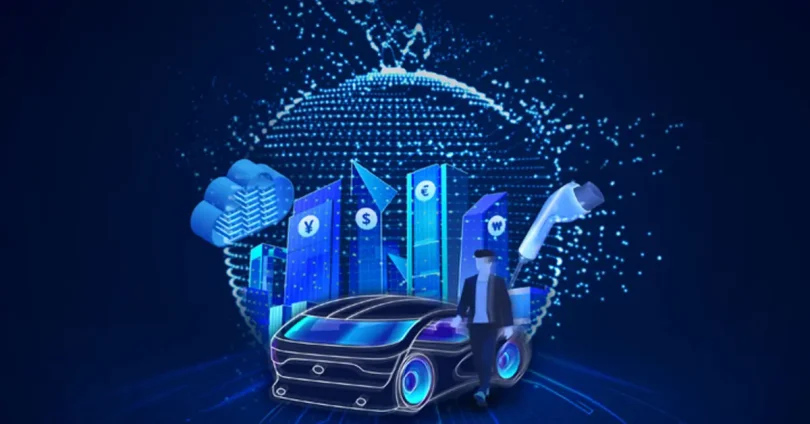
The future of cars is more exciting than ever. From self-driving vehicles to flying taxis, technology is transforming the way we travel. Cars are no longer just about speed or design — they’re becoming smart, eco-friendly, and connected machines that promise safer roads and greener cities.
With advancements in artificial intelligence, electric power, and innovative designs, the next generation of cars will completely change our daily lives. In this blog, we’ll explore the amazing future car technologies that are shaping tomorrow’s world. Future Cars Technology
What is Future Cars Technology?
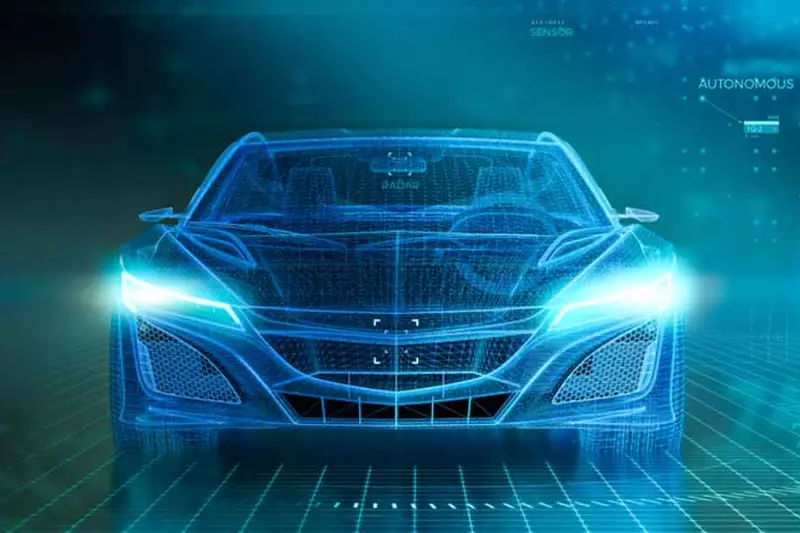
Future cars technology refers to the latest innovations and upcoming advancements in the automotive industry that aim to make vehicles smarter, safer, greener, and more efficient. Unlike traditional cars that only focus on performance and design, future cars combine artificial intelligence, renewable energy, and digital connectivity to create a next-level driving experience.
This technology includes:
Self-driving systems that allow cars to operate without human control.
- Electric and solar-powered engines to reduce pollution.
- Flying car prototypes designed to beat traffic.
- Smart features like biometric access, augmented reality dashboards, and real-time connectivity with other vehicles.
You may also like to read this:
4K Smart TVs: Revolutionizing Home Entertainment
Smart TV Buying Guide:Smart Features
Latest Smart TV Models You Can Buy Now
Best Smart TVs 2025: Top Picks for Picture Quality, Gaming & Value
In short, future cars technology is about reimagining transportation — not just as a way to move from one place to another, but as a sustainable, intelligent, and futuristic lifestyle.
Key Innovations in Future Cars
The automotive industry is moving at lightning speed, and new technologies are changing the way we think about cars. Here are some of the most exciting innovations shaping the future of transportation:
Autonomous (Self-Driving) Cars
- Self-driving cars are designed to operate without human control using AI, sensors, cameras, and LiDAR. They aim to reduce accidents, improve road safety, and make driving stress-free. Companies like Tesla, Waymo, and Mercedes are already testing these vehicles.
Electric and Solar-Powered Vehicles
- Future cars will rely heavily on clean energy. Electric cars are already popular, but in the future, we may also see cars powered by solar energy. This shift will reduce pollution, lower fuel costs, and promote eco-friendly travel.
Flying Cars
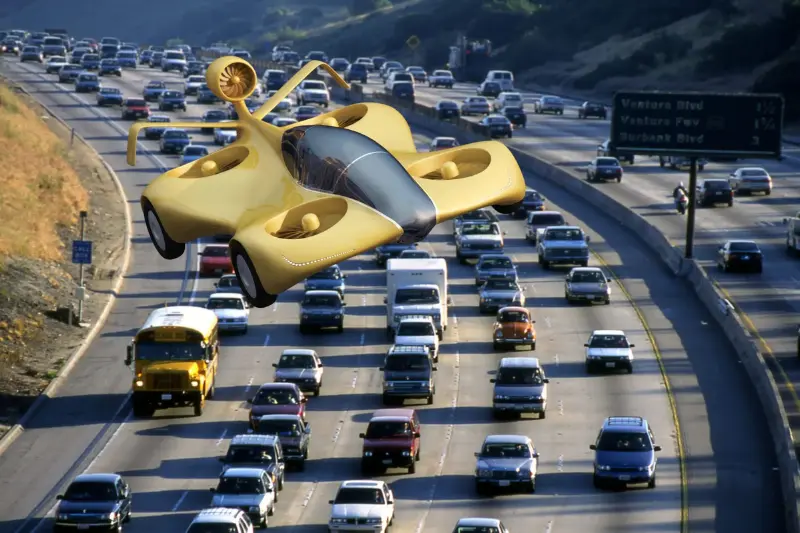
- What once seemed like science fiction is now becoming reality. Flying cars, being developed by companies like AeroMobil and PAL-V, could soon help ease city traffic and provide faster travel options.
Smart and Connected Cars
- Cars of the future will be connected through the Internet of Things (IoT). This means they can communicate with each other, traffic signals, and smart city systems to provide real-time updates, avoid accidents, and improve overall traffic flow.
Advanced Features of Future Cars
Future cars are not just about speed or style — they’re packed with smart and innovative features that make driving safer, more comfortable, and more enjoyable. Here are some of the most advanced features you can expect:
Augmented Reality (AR) Dashboards
- Imagine seeing navigation arrows, hazard warnings, and speed limits projected directly on your windshield. AR dashboards will replace traditional displays, helping drivers stay focused on the road while still accessing important information.
Biometric Vehicle Access
- Say goodbye to car keys! Future cars will use biometric systems like facial recognition, fingerprint scanning, and voice commands to unlock and start vehicles. This not only improves security but also personalizes your driving experience.
Artificial Intelligence Integration
- AI will act like a smart assistant in cars. From voice-controlled commands to predictive driving modes, AI will adapt to your habits, suggest the best routes, and even monitor your car’s health to prevent breakdowns.
Sustainable Materials & 3D Printing
- Future cars will be built using eco-friendly, lightweight, and recyclable materials. Automakers are also adopting 3D printing to create car parts faster and at a lower cost, making vehicles more affordable and sustainable.
Benefits of Future Cars Technology
The shift toward futuristic vehicles isn’t just about cool designs or advanced gadgets — it brings real advantages to our daily lives and the planet. Here are the key benefits:
Safer Roads
- With self-driving systems, AI monitoring, and real-time communication, future cars can drastically reduce accidents caused by human error. Features like automatic braking and collision detection will make driving safer for everyone.
Environment-Friendly Travel
- Future cars, especially electric and solar-powered vehicles, will reduce our dependence on fossil fuels. This means cleaner air, lower carbon emissions, and a healthier environment for future generations.
Time-Saving and Convenience
- Flying cars and connected vehicles will help cut down traffic jams and travel time. Plus, AI assistants can handle navigation, parking, and even charging schedules — making journeys smooth and hassle-free.
Cost Efficiency in the Long Run
- While advanced cars may be expensive at first, electric engines, 3D-printed parts, and sustainable materials will reduce maintenance and fuel costs over time, saving money for car owners.
Smarter Driving Experience
- From AR dashboards to personalized AI driving modes, future cars promise a more enjoyable, interactive, and stress-free driving experience.
- Even as vehicles evolve with AI, connectivity and self‑driving tech, it’s worth remembering that safe physical transport still matters – selecting a trusted Car Transporters Essex service ensures your vehicle arrives in top condition, ready to plug into the future.
Challenges in Developing Future Cars
While the future of cars looks exciting, there are still many obstacles to overcome before these innovations become part of our everyday lives. Here are some of the biggest challenges:
High Cost of Innovation
- Developing advanced technologies like AI systems, flying mechanisms, and renewable energy engines requires massive investments. This makes future cars expensive at the start, limiting access for average consumers.
Safety and Reliability Concerns
- Self-driving and flying cars need to be 100% safe before they can be widely adopted. Any system failure could lead to serious accidents, making safety testing and regulations extremely important.
Infrastructure Requirements
- Future cars will need smart roads, charging stations, and air traffic systems. Many countries currently lack the infrastructure to support these technologies, which could slow down adoption.
Legal and Regulatory Issues
- Governments must create new laws and policies to regulate autonomous and flying vehicles. Questions like “Who is responsible in case of an accident?” need clear answers.
Consumer Trust and Acceptance
- Not everyone is ready to give control of their car to AI or trust a flying vehicle. Building confidence among users will be a major challenge for automakers.
Future Cars and the Role of AI & IoT
Artificial Intelligence (AI) and the Internet of Things (IoT) will be the backbone of future cars, making them smarter, safer, and more connected than ever before. These two technologies will completely transform how vehicles operate and interact with their surroundings.
Artificial Intelligence (AI) in Cars
AI will act like the brain of the vehicle, handling everything from driving decisions to passenger comfort.
- Self-Driving Systems – AI processes data from cameras, sensors, and radars to navigate roads safely.
- Smart Assistants – Voice-activated AI can control music, navigation, or even schedule car maintenance.
- Predictive Maintenance – AI can detect problems before they happen, reducing breakdowns and repair costs.
Internet of Things (IoT) in Cars
IoT will connect cars to the digital ecosystem, enabling real-time communication and smarter driving.
- Vehicle-to-Vehicle (V2V) Communication – Cars can share information about speed, traffic, and road hazards.
- Vehicle-to-Infrastructure (V2I) – Cars will connect with traffic lights, smart roads, and charging stations.
- Remote Monitoring – Owners can track car performance, battery status, and security using mobile apps.
AI + IoT = Smarter Mobility
Together, AI and IoT will create fully automated, connected, and efficient transport systems. This will lead to fewer accidents, less traffic congestion, and an overall smoother driving experience.
You may also like to read this:
Future Technology Trends: Innovations That Will Shape World
Upcoming Tech Innovations to Watch in 2025
Latest Technology Advancements: Transforming Our World
When Will Future Cars Become a Reality?
The future of cars is already unfolding, but it will take time before the most advanced features become part of our daily lives. Some technologies are here today, while others may take years to fully develop.
Already Available Today
- Electric cars (Tesla, BYD, Nissan, etc.)
- Semi-autonomous driving features (lane assist, autopilot, automatic braking)
- Connected cars with IoT (real-time navigation, remote apps)
In the Next 5–10 Years
- Fully self-driving cars becoming more common in major cities
- AR dashboards and biometric vehicle access
- AI-powered predictive maintenance
Expansion of EV charging infrastructure
- In the Next 10–20 Years
- Flying cars in limited commercial and private use
- Solar-powered vehicles replacing fuel cars in many regions
Smart cities integrated with IoT cars for seamless traffic flow
In short, while futuristic cars are no longer just science fiction, it will take gradual adoption, improved infrastructure, and public trust before we see them everywhere.
FAQs About Future Cars Technology
What is meant by future cars technology?
Future cars technology refers to the latest innovations like self-driving systems, electric engines, flying cars, AI, and IoT that make vehicles smarter and greener.
Will flying cars really exist?
Yes! Companies like AeroMobil and PAL-V are already testing flying car prototypes. They may become a reality within the next 10–20 years in selected regions.
Are self-driving cars safe?
Self-driving technology is still developing, but it aims to reduce accidents caused by human error. With better AI and safety systems, these cars are expected to become safer than human drivers.
Will all cars be electric in the future?
Most experts believe that electric and renewable energy vehicles will replace traditional fuel cars within the next few decades, especially as governments push for eco-friendly solutions.
What role does AI play in future cars?
AI will power self-driving features, voice assistants, predictive maintenance, and personalized driving experiences — making cars smarter and safer.
When will future cars become mainstream?
Some features like electric cars and semi-autonomous driving are already available. Fully autonomous and flying cars may take another 10–20 years to become common.
Conclusion
The future of cars is set to transform the way we travel, making it safer, smarter, and more sustainable. From self-driving systems and electric engines to flying vehicles and AI-powered assistants, innovation in the automotive industry is moving faster than ever. While challenges like cost, safety, and infrastructure still remain, the progress we see today shows that the dream of futuristic cars is closer to reality than we think.
As technology continues to evolve, cars will no longer just be a mode of transport — they will become intelligent companions that connect us, protect us, and help create a cleaner, greener world. The road ahead is exciting, and the future of cars is only just beginning.
You may also like to read this:
Latest Tech News 2025: Breakthroughs & Trends