Introduction
Smart TVs have revolutionized how we experience entertainment at home. From streaming movies and browsing the internet to connecting with other smart devices, they’ve become much more than just televisions. As technology continues to advance, Smart TVs are evolving into intelligent entertainment hubs powered by Artificial Intelligence (AI), 8K displays, and seamless smart home integration.
The future of Smart TVs promises a world where your TV understands your preferences, interacts through voice or gesture, and delivers an immersive viewing experience like never before. In this article, we’ll explore the upcoming innovations, trends, and technologies that will shape the next generation of Smart TVs — and how they’re set to transform our everyday entertainment experience.
Evolution of Smart TVs
The journey of Smart TVs began with a simple idea — to connect television sets to the internet and make entertainment more interactive. In the early days, Smart TVs mainly offered basic features like built-in Wi-Fi and access to streaming platforms such as YouTube and Netflix. These early versions allowed viewers to watch online content without needing extra devices like set-top boxes or streaming sticks.
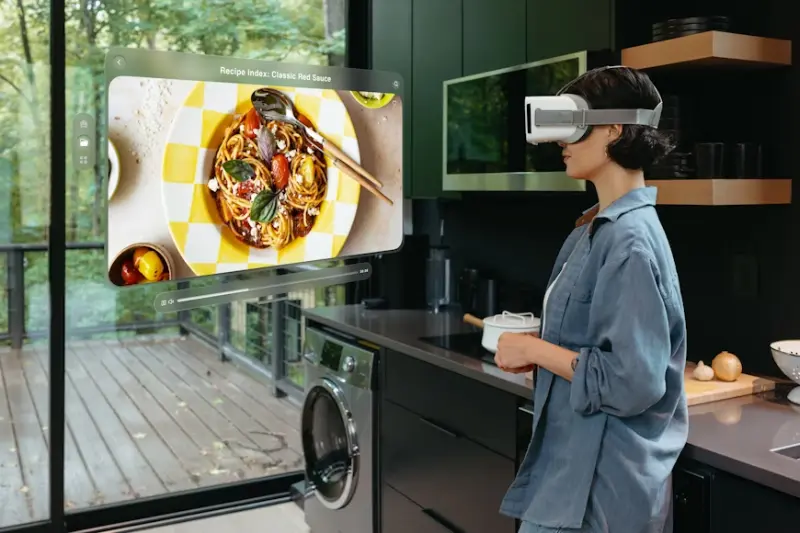
- As technology progressed, Smart TVs started integrating advanced operating systems, app stores, and better connectivity. Viewers could now browse the web, install apps, play games, and even mirror content directly from their smartphones or tablets. The introduction of voice assistants like Alexa, Google Assistant, and Bixby further enhanced user convenience, allowing hands-free control of TV functions.
- Today’s Smart TVs go far beyond streaming. They use Artificial Intelligence (AI) to learn user preferences, recommend shows, optimize picture quality, and even adjust audio based on the room’s environment. With ultra-high-definition (UHD) and OLED displays, Smart TVs now deliver cinematic-quality visuals at home.
- The next step in this evolution is even more exciting — Smart TVs are becoming central control hubs for smart homes, connecting seamlessly with IoT devices, lights, thermostats, and more. From being a simple screen for watching shows, the Smart TV has transformed into a powerful entertainment and automation center that’s smarter, faster, and more connected than ever before.
Key Technologies Driving the Future of Smart TVs
The future of Smart TVs is being shaped by a combination of advanced technologies that are revolutionizing how we watch, interact, and connect. From Artificial Intelligence to cloud computing, these innovations are making Smart TVs smarter, more efficient, and deeply integrated into our digital lives. Let’s take a closer look at the key technologies powering this transformation.
Artificial Intelligence (AI) and Machine Learning
- AI is at the heart of next-generation Smart TVs. Modern TVs can now analyze user behavior, viewing patterns, and preferences to deliver personalized recommendations. AI-powered features automatically adjust brightness, contrast, and sound levels based on the type of content or lighting in the room. Some Smart TVs even recognize voices and faces, making the viewing experience more intuitive and customized.
8K and Ultra-High-Definition Displays
- As display technology continues to improve, 8K TVs are becoming the next big leap after 4K. With four times the pixels of 4K resolution, 8K provides stunning detail, lifelike images, and incredible color accuracy. Even though native 8K content is limited right now, upscaling technology allows Smart TVs to enhance lower-resolution videos for sharper, more immersive visuals.
Quantum Dot, OLED, and Mini-LED Displays
- Display innovation is another key factor driving the Smart TV revolution. Quantum Dot, OLED, and Mini-LED technologies offer deeper blacks, brighter highlights, and a wider color spectrum. These displays not only improve picture quality but also enhance energy efficiency. In the near future, we may even see foldable and transparent TVs using these advanced panels.
Voice, Gesture, and Facial Recognition Controls
- The days of searching for remotes are fading. Smart TVs are increasingly adopting voice assistants like Alexa, Google Assistant, and Bixby for hands-free operation. Some models also support gesture control and facial recognition, allowing you to switch channels, adjust volume, or access content using simple movements or expressions. This technology is redefining how users interact with their TVs.
Smart Home Integration and IoT Connectivity
- Future Smart TVs will act as the command center for your connected home. With built-in Internet of Things (IoT) support, users can control smart lights, thermostats, security cameras, and other appliances directly from their TV screens. This level of integration turns the television into more than just an entertainment device — it becomes a true smart home hub.
Cloud Technology and Edge Computing
- Cloud computing is transforming how content is stored and delivered. With cloud-based apps, updates, and cloud gaming, Smart TVs no longer rely solely on internal hardware. This means faster performance, more storage space, and instant access to vast libraries of content. Combined with edge computing, this technology ensures smoother streaming and reduced lag times.
Cloud Technology and Streaming Advancements
Cloud technology has completely transformed the way Smart TVs operate and deliver content. In the past, televisions relied heavily on built-in hardware and local storage to manage apps, updates, and media. However, with the rise of cloud computing, Smart TVs are now becoming lighter, faster, and more capable than ever before.
- Cloud technology allows Smart TVs to access and stream massive amounts of content without needing large internal memory. Instead of downloading shows or games, users can now instantly stream them from cloud servers. This reduces buffering time, enhances performance, and provides a seamless viewing experience — no matter the content type or source.
- Streaming advancements have also played a major role in the Smart TV revolution. Platforms like Netflix, Disney+, Amazon Prime Video, and YouTube have optimized their apps for cloud-based viewing, offering high-quality 4K and even 8K content. Additionally, cloud gaming platforms such as NVIDIA GeForce Now, Xbox Cloud Gaming, and Amazon Luna allow users to play high-end games directly on their Smart TVs without requiring a console or gaming PC.
- Another major benefit of cloud technology is automatic updates and scalability. Smart TVs can now receive new software features, interface improvements, and security patches directly from the cloud, ensuring that users always have the latest performance and features without manual downloads.
- As internet speeds continue to improve globally with the rollout of 5G and fiber connections, cloud technology will push Smart TVs even further — enabling instant access to ultra-HD content, advanced gaming experiences, and intelligent, AI-powered services that make viewing more personalized and convenient.
In the future, cloud-driven Smart TVs will not just stream entertainment but also serve as an interactive window to cloud-based applications, online education, and smart home management — turning your living room into a truly connected digital space.
Personalized and Immersive Viewing Experiences
One of the most exciting developments in the future of Smart TVs is the rise of personalized and immersive viewing experiences. With the help of Artificial Intelligence (AI) and data analytics, Smart TVs are becoming more intuitive, adapting to individual user preferences and creating a unique entertainment experience for every viewer.
- Modern Smart TVs can now track what kind of shows, movies, or genres you enjoy and use that information to recommend new content you’re likely to love. The more you watch, the better your TV understands your habits. This level of personalization extends beyond just content — it includes display settings, sound modes, and even home screen layouts tailored to your needs.
- Immersive technology is also reshaping how we interact with our TVs. With the integration of Augmented Reality (AR) and Virtual Reality (VR), viewers can experience entertainment in new, lifelike ways. Imagine watching a sports event where you can view the action from different camera angles, or explore a travel documentary as if you were standing in the location — all from your living room.
- Furthermore, spatial audio and adaptive sound systems create realistic, theater-quality sound experiences by adjusting audio output based on your room’s acoustics and seating position. Combined with ultra-high-definition (UHD), OLED, or 8K displays, this brings an entirely new level of immersion.
- Personalized profiles are another step forward. In multi-user households, Smart TVs will soon automatically recognize who’s watching — through facial or voice recognition — and load that person’s customized settings, playlists, and recommendations instantly.
In short, the future of Smart TVs lies in deep personalization and total immersion. These innovations will turn passive watching into an engaging, interactive experience — where every show, movie, or game feels tailored just for you.
The Future of Gaming on Smart TVs
Gaming is no longer limited to consoles and PCs — Smart TVs are quickly emerging as powerful gaming platforms, transforming how people play and enjoy their favorite titles. With advancements in cloud technology, faster processors, and improved display quality, the future of gaming on Smart TVs looks incredibly promising.
- One of the biggest innovations driving this shift is cloud gaming. Services like NVIDIA GeForce Now, Xbox Cloud Gaming, and Amazon Luna allow users to stream high-end games directly on their Smart TVs without needing expensive hardware. Instead of downloading or installing games, players can instantly access a vast library of titles stored on powerful cloud servers. This means you can play console-quality games using only a controller and a strong internet connection.
- Smart TVs are also being optimized for high refresh rates and low input lag, ensuring smoother gameplay and faster response times — essential for competitive gaming. With the support of HDMI 2.1 and adaptive sync technologies, gaming on Smart TVs is now more fluid and visually stunning than ever before.
- In addition, the rise of AI-driven picture enhancement ensures that game graphics look sharp and realistic, while spatial audio systems provide immersive, 3D-like sound that enhances every action scene or battle sequence. Combined with 4K and 8K displays, the gaming experience on Smart TVs rivals that of dedicated gaming monitors.
- Manufacturers are also introducing game modes and cloud-based leaderboards, allowing users to share scores, compete online, and stream gameplay directly from their TVs. As internet infrastructure continues to evolve, 5G and ultra-fast Wi-Fi will further reduce latency, making real-time multiplayer gaming smoother and more reliable.
- Looking ahead, the line between Smart TVs and gaming consoles will continue to blur. With built-in game streaming services, voice command support, and even AI-based gaming assistants, Smart TVs are set to become a central hub for next-generation gaming — offering a console-free, seamless, and deeply immersive experience right from your living room.
Eco-Friendly and Sustainable Smart TVs
As technology advances, the focus isn’t just on making Smart TVs smarter — it’s also on making them more eco-friendly and sustainable. With growing awareness about environmental issues, TV manufacturers are now developing products that reduce energy consumption, minimize waste, and use sustainable materials.
- Modern Smart TVs are being designed with energy-efficient components that lower power usage without compromising performance or picture quality. Features like automatic brightness control, power-saving modes, and energy-efficient display panels (such as OLED and Mini-LED) help reduce electricity consumption, making TVs more environmentally responsible and cost-effective for consumers.
- Another major step toward sustainability is the use of recyclable and eco-conscious materials in TV production. Many brands are reducing plastic use and adopting recycled materials for TV casings, remotes, and packaging. Samsung, LG, and other leading companies have already introduced eco-packaging that can be reused or repurposed, cutting down on waste.
- Smart TVs are also benefiting from longer software support and over-the-air updates via the cloud. This helps extend a TV’s lifespan by improving performance and adding new features without the need for frequent replacements, ultimately reducing electronic waste.
- Additionally, brands are investing in carbon-neutral manufacturing and cleaner production methods. From reducing harmful emissions to implementing sustainable logistics, companies are working to lower their carbon footprint throughout the entire product lifecycle.
- In the near future, we can expect solar-powered remotes, biodegradable materials, and low-energy AI processors that further enhance sustainability. These innovations not only protect the environment but also reflect a growing demand for responsible technology.
The future of Smart TVs is, therefore, not just smarter — it’s greener. With eco-friendly innovations leading the way, the next generation of televisions aims to deliver entertainment that’s as good for the planet as it is for the viewer.
What to Expect in the Next Decade of Smart TVs
The next decade promises to be a game-changer for Smart TVs as rapid technological innovation continues to reshape the entertainment landscape. The TVs of the future will be more intelligent, immersive, and deeply integrated into our daily lives than ever before. Here’s what you can expect from Smart TVs in the coming years:
Smarter AI and Predictive Learning
- Artificial Intelligence will evolve far beyond simple recommendations. Future Smart TVs will use predictive AI to understand user moods, suggest content before you even search for it, and automatically adjust visuals and sound for optimal comfort. Your TV could even greet you, sync with your calendar, or remind you about your favorite live shows.
Full Smart Home Integration
- In the next decade, Smart TVs will become the central hub for smart homes. They’ll connect seamlessly with IoT devices — from lights and security systems to appliances — allowing you to control everything using your TV’s interface or voice commands. Your television will essentially act as a digital assistant for your home.
Immersive 3D and Holographic Displays
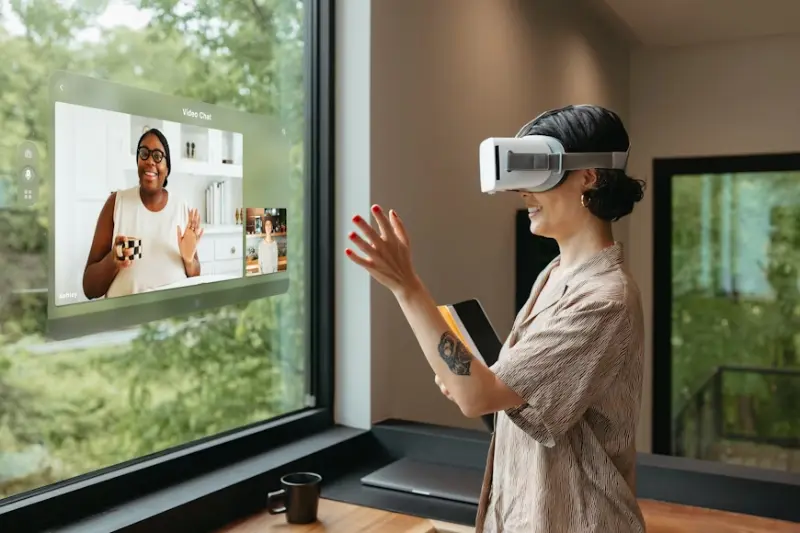
- The future of Smart TV visuals will go beyond flat screens. Expect 3D, holographic, and transparent displays that deliver lifelike depth and realism without the need for special glasses. These advancements will create cinematic experiences right in your living room.
Cloud Gaming and Virtual Entertainment
- Gaming on Smart TVs will reach new heights. With faster internet speeds and powerful cloud infrastructure, users will enjoy console-level gaming instantly — no hardware required. Additionally, virtual concerts, AR sports, and interactive learning experiences will make entertainment more dynamic and participatory.
Sustainability at the Core
- The next generation of Smart TVs will emphasize sustainability. Expect energy-efficient processors, recyclable materials, and solar-powered remotes to become standard features. Brands will compete not just on picture quality but also on how eco-friendly their products are.
Enhanced Connectivity with 5G and Beyond
- With 5G and future wireless technologies, Smart TVs will deliver ultra-fast streaming, zero-lag gaming, and instant downloads. High-speed connections will also support multiple users and devices simultaneously, enabling smooth, connected entertainment experiences for the whole household.
Personalized Multi-User Experiences
- Future Smart TVs will identify users through facial or voice recognition and instantly switch profiles, playlists, and app layouts. This personalization will make every user’s experience feel unique, adaptive, and convenient.
FAQs
What new technologies will shape the future of Smart TVs?
The future of Smart TVs will be driven by Artificial Intelligence (AI), 8K displays, cloud streaming, IoT integration, and advanced display technologies like OLED, QLED, and Mini-LED. These innovations will make TVs smarter, faster, and more immersive.
Will Smart TVs replace streaming devices in the future?
Yes, as Smart TVs become more powerful and app-rich, there will be less need for external streaming devices like Roku or Fire Stick. Most new Smart TVs already come with built-in streaming apps and voice assistants.
What is the role of AI in the future of Smart TVs?
AI will personalize the viewing experience by recommending content, adjusting sound and picture quality automatically, and even recognizing the viewer’s preferences and mood for smarter entertainment.
How will cloud gaming impact Smart TVs?
Cloud gaming will allow users to play high-end video games directly on their Smart TVs without needing a console or PC. Platforms like Xbox Cloud Gaming and NVIDIA GeForce Now are already making this possible.
Are future Smart TVs eco-friendly?
Yes, TV manufacturers are now focusing on eco-friendly innovations such as energy-efficient panels, recyclable materials, solar-powered remotes, and reduced carbon emissions during production.
What can we expect from Smart TVs in the next 10 years?
In the next decade, Smart TVs will feature holographic displays, voice and gesture control, full smart home integration, AI-driven automation, and sustainable designs — redefining home entertainment.
Conclusion
The future of Smart TVs is not just about better picture quality or faster streaming — it’s about creating a truly intelligent and connected entertainment experience. Over the past decade, Smart TVs have evolved from simple internet-enabled devices into powerful hubs that integrate with AI, cloud technology, and smart home systems.
In the coming years, we’ll see even more remarkable innovations — from 8K and holographic displays to voice-controlled interfaces and fully personalized viewing experiences. Smart TVs will learn from our preferences, adapt to our lifestyles, and offer entertainment that feels tailor-made for each viewer.
As technology advances, Smart TVs will also become more sustainable, energy-efficient, and eco-friendly, ensuring that the future of entertainment is both innovative and responsible. Whether it’s gaming, streaming, or managing your smart home, the Smart TV of tomorrow will be a central part of modern living — combining intelligence, style, and convenience in one sleek device.
In short, the future of Smart TVs isn’t just about watching — it’s about living smarter, connecting deeper, and experiencing more.