
Introduction
Technology is advancing at lightning speed, and one of the most exciting frontiers is neural technology. Inspired by the way the human brain works, neural tech combines artificial intelligence (AI), neuroscience, and advanced computing to create smarter, faster, and more adaptive systems. From brain–computer interfaces (BCIs) that let people control devices with their thoughts to AI-powered healthcare solutions that can detect diseases earlier than doctors, the potential is enormous. Future Tech in Neural
As we step into the future, neural technology is no longer just a concept from science fiction—it is becoming a practical reality. Companies and researchers are working on innovations that could change how we live, work, and interact with machines. In this article, we’ll explore what neural technology is, its key areas, real-world applications, challenges, and how it will shape the future of human potential.
What is Neural Technology?
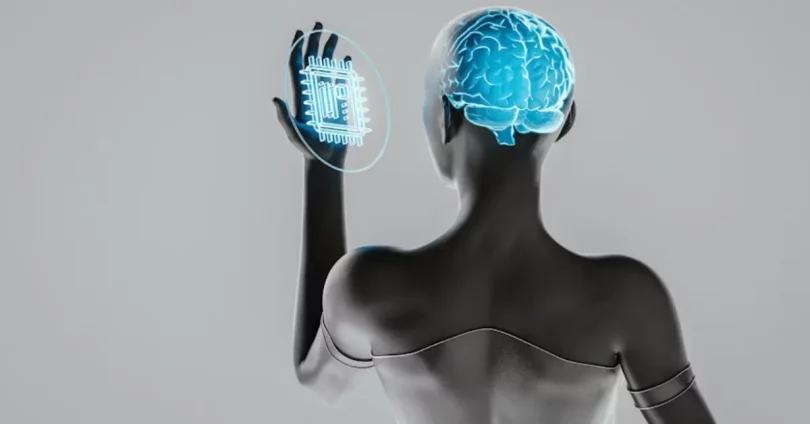
Neural technology is a field of innovation that combines neuroscience, artificial intelligence (AI), and advanced computing to create systems that work like the human brain. At its core, it focuses on developing tools and machines that can learn, adapt, and respond just like our neural networks do.
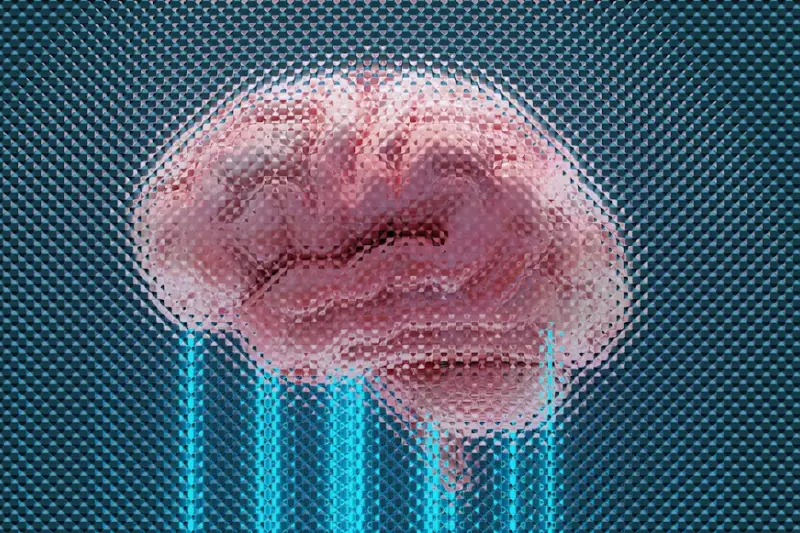
Think of it as a bridge between human intelligence and machine intelligence. By studying how neurons in the brain communicate, scientists and engineers design neural networks—computer systems that process information, recognize patterns, and make decisions in ways similar to our brain cells.
You may also like to read this:
Future Technology Trends: Innovations That Will Shape World
Upcoming Tech Innovations to Watch in 2025
Latest Technology Advancements: Transforming Our World
But neural technology is not just about AI. It also includes:
- Brain–Computer Interfaces (BCIs): Devices that connect the brain directly to machines.
- Neuroprosthetics: Artificial devices that restore functions like vision, hearing, or movement.
- Neural AI Models: Algorithms that analyze large amounts of data to solve complex problems.
In simple terms, neural technology is about using the power of the brain’s design to create smarter technologies that can think, learn, and interact with humans more naturally.
Evolution of Neural Technology
Neural technology has come a long way, evolving from basic research in neuroscience to advanced real-world applications. The journey can be broken down into key stages:
1. Early Research (1940s–1980s)
- The foundation of neural tech began with scientists studying how the human brain works. Early models of artificial neural networks (ANNs) were developed to mimic the way neurons communicate. While these models were simple, they set the stage for modern AI.
2. Rise of Computing Power (1990s–2000s)
- As computers became faster and more powerful, researchers were able to build more complex neural networks. During this time, machine learning and pattern recognition gained traction, leading to advancements in speech recognition, image analysis, and data processing.
3. Deep Learning Revolution (2010s)
- The 2010s marked a turning point. With the explosion of big data and GPU computing, deep learning emerged. Neural networks could now handle massive datasets, enabling breakthroughs like:
- Voice assistants (Siri, Alexa, Google Assistant)
- Self-driving car technology
- Medical imaging and disease prediction
4. Integration with Neuroscience (2020s and beyond)
- Today, neural technology is merging with neuroscience and biotechnology. Companies like Neuralink are working on brain–computer interfaces, while others are developing neuroprosthetics to help patients regain lost functions. Neural AI models now power advanced systems in healthcare, robotics, and finance.
5. The Future Ahead
- Looking forward, neural tech is expected to go beyond machine intelligence. We may see human–machine symbiosis, where the brain and AI work together seamlessly—expanding memory, boosting learning speed, and enhancing communication.
Key Areas of Future Neural Tech
The future of neural technology is full of possibilities, and its impact will be felt across multiple industries. Here are some of the most promising areas where neural tech is expected to grow:
1. Brain–Computer Interfaces (BCIs)
BCIs allow direct communication between the human brain and external devices. In the future, BCIs could:
- Help patients with paralysis control wheelchairs or computers using their thoughts.
- Enable faster, hands-free interaction with smartphones and computers.
- Expand human capabilities by enhancing memory or learning speed.
Example: Neuralink and other companies are testing brain implants that may restore movement or vision in patients with neurological disorders.
2. Neural AI in Healthcare
Healthcare is one of the biggest beneficiaries of neural technology. With AI and deep learning, neural systems can:
- Detect diseases at earlier stages through medical imaging.
- Provide personalized treatment plans for patients.
- Support doctors with precise diagnoses and even assist in surgeries.
- Develop neuroprosthetics like artificial limbs that respond to brain signals.
- Future vision: A world where AI doctors work alongside humans to deliver faster and more effective treatments.
3. Neuro-Robotics
Robots powered by neural systems can learn from experience, making them more adaptable than traditional robots. Future uses include:
- Assisting the elderly and disabled with daily tasks.
- Performing dangerous rescue missions in disaster zones.
- Autonomous delivery and mobility robots for smart cities.
Example: Neuro-robots could one day mimic human emotions and respond to our needs in real time.
4. Neural Networks for Smarter AI
Neural networks are the backbone of AI, and their future looks even brighter. They will:
- Handle massive datasets with greater accuracy.
- Power more human-like virtual assistants and chatbots.
- Improve self-driving cars, fintech solutions, and personalized learning systems.
Push creativity forward, helping machines generate art, music, and even scientific discoveries.
5. Cognitive Enhancement and Augmentation
Beyond machines, neural tech may also enhance human abilities directly. This could mean:
- Boosting learning capacity.
- Expanding memory storage.
Real-World Applications of Neural Tech
Neural technology is no longer just a futuristic idea—it is already transforming many aspects of our daily lives. Here are some real-world applications where neural tech is making a difference:
1. Healthcare and Medicine
- Disease Detection: AI-powered neural networks analyze scans (like MRIs and X-rays) to detect diseases such as cancer or Alzheimer’s at an early stage.
- Neuroprosthetics: Artificial limbs that connect to the nervous system allow patients to control movement with their thoughts.
- BCIs in Therapy: Brain–computer interfaces are being tested to help people with paralysis, speech loss, or spinal cord injuries regain function.
2. Brain–Computer Communication
- Imagine typing an email or sending a text just by thinking. With BCIs, this is becoming possible. Researchers are developing systems where people with mobility issues can control devices, write, or even communicate directly through brain signals.
3. Smart Assistants and Everyday AI
- Voice assistants like Siri, Alexa, and Google Assistant are powered by neural networks. They learn from user behavior to provide more personalized responses. Future assistants may become even smarter—predicting needs before we ask.
4. Education and Learning
Neural tech is also being applied to learning platforms:
- Adaptive learning systems adjust to each student’s pace.
- AI tutors provide personalized lessons.
- BCIs could one day enhance focus and memory for better study outcomes.
5. Robotics and Automation
Neuro-robots are being used in industries and research labs. For example:
- Medical robots assisting in delicate surgeries.
- Rescue robots entering dangerous environments.
- Care robots helping elderly or disabled people at home.
6. Finance and Business
Neural AI is already reshaping industries by:
- Predicting stock market trends.
- Detecting fraud in banking transactions.
- Automating customer service with chatbots.
7. Entertainment and Gaming
- Game developers are exploring neural interfaces that let players control characters with their thoughts. In the future, immersive VR powered by neural tech could redefine entertainment.
Benefits of Neural Technology
The rise of neural technology brings many advantages that could reshape healthcare, education, industries, and even our daily lives. Here are some of the most important benefits:
1. Improved Healthcare
- Early detection of diseases like cancer, Alzheimer’s, and heart conditions.
- Development of neuroprosthetics that restore lost functions such as vision, hearing, or mobility.
- Faster, more accurate diagnoses powered by AI.
- Personalized treatment plans tailored to each patient’s unique health data.
2. Accessibility for People with Disabilities
- Brain–computer interfaces (BCIs) enable people with paralysis to control wheelchairs, computers, or robotic limbs with their thoughts.
- Neural prosthetics help restore communication and movement, improving independence and quality of life.
3. Enhanced Human–Machine Interaction
- Smarter AI assistants that understand context better.
- Devices that respond directly to brain signals for faster, hands-free interaction.
- A future where humans and machines work together seamlessly.
4. Advancements in Robotics and Automation
- Neuro-robots can adapt and learn from experience, making them more efficient.
- Safer automation in industries and rescue missions.
- Robots that provide elderly care or household assistance.
5. Boosted Productivity and Learning
- AI-powered platforms can adapt to individual learning speeds.
- BCIs may one day help enhance memory, focus, and problem-solving abilities.
- Businesses gain efficiency through better data analysis, automation, and decision-making tools.
6. Innovation Across Industries
- Finance: Fraud detection and predictive analytics.
- Education: Personalized teaching systems.
- Entertainment: Immersive VR and gaming controlled by thought.
- Transportation: Smarter autonomous vehicles.
Challenges and Ethical Concerns
While neural technology offers groundbreaking opportunities, it also raises important challenges and ethical questions that must be addressed before mass adoption.
1. Privacy and Security Risks
- Neural devices and BCIs deal with brain data, which is highly personal and sensitive.
- If hacked or misused, this data could be exploited for surveillance, manipulation, or identity theft.
- Ensuring strong cybersecurity will be critical.
2. High Costs and Accessibility
- Advanced neural devices, implants, and AI systems are expensive.
- Initially, only wealthy individuals or developed countries may benefit, creating a digital divide.
- Making this technology affordable and accessible will be a major challenge.
3. Ethical Use of Brain Data
Who owns the data from your brain—you or the company providing the device?
- Governments and organizations will need clear regulations to protect human rights.
- Ethical frameworks must prevent misuse in areas like advertising, political manipulation, or forced surveillance.
4. Bias in Neural AI Systems
- Neural networks learn from data. If the data is biased, the outcomes can be unfair.
- For example, biased medical AI could misdiagnose certain groups or communities.
- Ensuring fairness and transparency in AI training is essential.
5. Health and Safety Concerns
- Neural implants and BCIs involve medical procedures that carry health risks.
- Long-term effects of brain–machine interaction are still not fully known.
- Continuous monitoring and clinical testing are necessary for safety.
6. Human Identity and Autonomy
- If humans integrate too deeply with machines, where do we draw the line between natural and artificial intelligence?
- Could enhanced individuals gain unfair advantages in society?
- Ethical debates about human autonomy, free will, and even “superhuman abilities” will increase.
The Role of Companies and Research in Neural Tech
The progress of neural technology is driven by a mix of innovative companies, research institutions, and global collaborations. Together, they are pushing boundaries to make brain-inspired technologies practical and scalable.
1. Neuralink
Founded by Elon Musk, Neuralink is one of the most well-known companies in this field. Its mission is to create brain–computer interfaces (BCIs) that:
- Help patients with neurological conditions regain movement or communication.
- Enable direct brain-to-machine interaction.
- Potentially enhance memory and cognition in the future.
2. DeepMind (Google AI)
DeepMind specializes in advanced neural networks and has made breakthroughs in:
- Protein folding (AlphaFold), which transformed biological research.
- Reinforcement learning for smarter AI models.
- Medical applications, such as AI systems that analyze eye diseases and cancers.
3. OpenAI
OpenAI focuses on artificial intelligence research powered by neural networks. Its projects, including advanced language models, showcase how neural AI can:
- Understand and generate human-like text.
- Assist in education, creativity, and business decision-making.
- Lay the foundation for general AI systems.
4. Research Universities and Institutions
Prestigious institutions like MIT, Stanford, and Oxford are conducting pioneering work on:
- Neuroprosthetics and advanced brain implants.
- Ethical frameworks for brain data protection.
- Cross-disciplinary research combining neuroscience, psychology, and AI.
5. Healthcare and Medical Companies
Companies such as Medtronic and Boston Scientific are developing neural implants and medical devices that:
- Treat Parkinson’s disease and epilepsy with deep brain stimulation (DBS).
- Restore mobility and sensory functions in patients.
6. Global Collaborations
Governments and international bodies are investing in neural research. For example:
- The European Human Brain Project aims to digitally simulate the human brain.
- The U.S. BRAIN Initiative funds projects to better understand and map neural activity.
You may also like to read this:
Latest Tech News 2025: Breakthroughs & Trends
Trending Technology Updates: Latest Innovations 2025\
Daily Tech News Highlights – Latest Trends
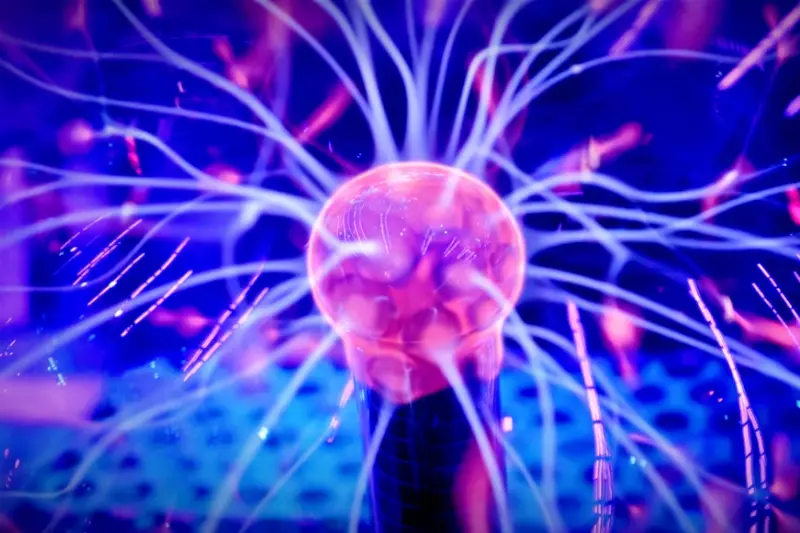
The Future Ahead
The future of neural technology is both exciting and transformative. Over the next 10–20 years, we can expect innovations that will not only change industries but also reshape what it means to be human.
1. Seamless Human–Machine Integration
- BCIs may allow people to control devices, cars, or even entire smart homes using only their thoughts.
- Enhanced memory, faster learning, and improved problem-solving could become a reality.
2. Revolution in Healthcare
- Neural prosthetics and implants could restore sight, hearing, or movement for millions of people.
- AI doctors powered by neural systems may assist in surgeries and patient care, improving efficiency and outcomes.
- Personalized medicine will advance as AI learns to tailor treatments to each individual’s unique biology.
3. Smarter and More Human-Like AI
- Neural networks will power highly advanced AI assistants capable of understanding emotions, context, and human intent.
- Machines will collaborate with humans in creative fields such as art, music, and scientific research.
4. Education and Workforce Transformation
- Neural-enhanced learning tools may help students absorb knowledge more quickly.
- Workers could rely on cognitive augmentation to perform tasks faster and more accurately.
- Entirely new careers will emerge in neuro-engineering, AI ethics, and cognitive computing.
5. Global Connectivity Through Neural Tech
- Brain-to-brain communication may evolve, allowing people to share thoughts directly without speaking or typing.
- Social interactions, work collaboration, and even international communication could become faster and more natural.
6. Ethics and Responsibility
With such advancements, ethical challenges will continue to grow:
- Who controls neural data?
- How do we ensure fair access worldwide?
- Where should the line be drawn between human intelligence and artificial enhancement?
FAQs
What is neural technology?
Neural technology combines neuroscience, artificial intelligence (AI), and computing to create systems that mimic the brain. It includes tools like brain–computer interfaces (BCIs), neural networks, and neuroprosthetics.
How is neural technology used in healthcare?
It helps in early disease detection, personalized treatments, neuroprosthetics, and BCIs that allow patients with paralysis or speech loss to regain functions.
Can neural tech help disabled people?
Yes. Devices like BCIs and neural prosthetics can restore mobility, vision, hearing, and even communication for people with disabilities.
What are the risks of neural technology?
The main risks include privacy concerns, high costs, ethical misuse of brain data, and potential health issues related to brain implants.
Which companies are leading in neural tech?
Key players include Neuralink, DeepMind, OpenAI, Medtronic, and research institutions like MIT and Stanford.
Will neural tech replace humans in jobs?
Not replace, but it will transform jobs. Neural tech will automate some tasks but also create new roles in AI ethics, neuro-engineering, and cognitive computing.
What is the future of neural technology?
The future holds seamless human–machine integration, smarter AI, breakthroughs in healthcare, and possibly brain-to-brain communication.
Conclusion
Neural technology is no longer just a futuristic dream—it is becoming a reality that has the power to transform our world. From brain–computer interfaces that restore mobility to neural AI systems that revolutionize healthcare, finance, and education, this field is opening doors to innovations we once only imagined in science fiction.
The benefits are immense: improved healthcare, enhanced accessibility, smarter AI, and new opportunities for human–machine collaboration. At the same time, challenges such as privacy, cost, and ethical concerns remind us that progress must be balanced with responsibility.
The future of neural tech is about more than machines—it’s about enhancing human potential. If guided ethically and made accessible to all, neural technology could lead to a future where humans live healthier, learn faster, and connect with the world in ways never thought possible.
You may also like to read this:
4K Smart TVs: Revolutionizing Home Entertainment
Smart TV Buying Guide:Smart Features
Latest Smart TV Models You Can Buy Now
Best Smart TVs 2025: Top Picks for Picture Quality, Gaming & Value