
Introduction
The word metaverse has become a buzz in the tech world, but it’s more than just a trend—it’s shaping the future of how we live, work, and connect. The metaverse is a virtual universe that blends the real and digital worlds using technologies like virtual reality (VR), augmented reality (AR), blockchain, and artificial intelligence (AI). From virtual offices and shopping malls to digital concerts and classrooms, the metaverse is opening doors to experiences once only imagined in science fiction. Metaverse Future Trends
As we step into the future, the metaverse is expected to transform industries, create new opportunities, and redefine the way we interact with technology. In this article, we’ll explore the key future trends of the metaverse and how they may impact our everyday lives.
Rise of Virtual Workspaces
Remote work became a normal part of life after the pandemic, and the metaverse is taking it to the next level. Instead of just video calls and chat apps, the future will bring 3D virtual offices where employees can meet, collaborate, and brainstorm in real time—almost like being in the same physical space.
Platforms such as Meta’s Horizon Workrooms and Microsoft Mesh are already experimenting with this idea. In these virtual workspaces, you can use avatars, share digital whiteboards, and attend team meetings in immersive environments.
This trend will help businesses:
- Improve remote collaboration.
- Cut costs on physical office spaces.
- Connect global teams more effectively.
As technology improves, virtual workspaces could become the standard way of working in the future.
Virtual Real Estate and Digital Assets
Owning property is no longer limited to the physical world—the metaverse has introduced the concept of virtual real estate. Platforms like Decentraland, The Sandbox, and Otherside allow users to buy, sell, and build on digital land using cryptocurrencies. These plots can be turned into virtual homes, offices, art galleries, or even shopping malls.
Just like in the real world, the value of virtual land depends on location, popularity, and demand. Some digital properties have already sold for millions of dollars, proving the growing interest in this new form of investment.
In addition to real estate, digital assets like NFTs (Non-Fungible Tokens) are becoming the backbone of the metaverse economy. From virtual fashion and collectibles to in-game items, these assets allow people to express identity and even earn money online.
Key points about this trend:
- Virtual landowners can rent or sell spaces for profit.
- Brands are opening virtual stores to connect with digital audiences.
- NFTs ensure ownership of digital items, making them unique and tradable.
The future of real estate and assets in the metaverse will create new business opportunities, much like the internet did in its early days.
Socializing and Entertainment in the Metaverse
The metaverse isn’t just about work and business—it’s also about fun, connection, and experiences. In the future, people will use the metaverse to hang out with friends, attend concerts, watch movies, or play games in ways that feel more immersive than today’s social media or online platforms.
Imagine attending a virtual music concert by your favorite artist, where your avatar dances among thousands of fans worldwide, or going to a digital cinema with friends from different countries. Gaming is already leading this trend—platforms like Fortnite and Roblox have hosted live virtual events, proving that entertainment in the metaverse can be interactive and global.
Benefits of metaverse socializing and entertainment:
- Attend events without travel costs.
- Meet people from all over the world in shared virtual spaces.
- Enjoy customizable experiences with lifelike avatars and 3D worlds.
- Build communities around music, sports, or gaming.
As VR and AR technology improves, social interactions in the metaverse will feel even closer to real life, making entertainment more engaging than ever before.
AI-Powered Avatars and Personalization
In the metaverse, avatars will be much more than simple digital characters. With the help of artificial intelligence (AI), users will have lifelike avatars that reflect their appearance, style, emotions, and even personalities. These avatars will learn from user behavior, making interactions more natural and realistic.
- For example, AI can help create avatars that:
- Mimic facial expressions and gestures in real time.
- Adapt clothing and style based on personal preferences.
- Communicate intelligently, holding conversations with others in the metaverse.
This level of personalization will make socializing, working, and gaming in the metaverse feel more immersive. Companies are already experimenting with AI-driven assistants that can guide users, suggest activities, or even act as virtual companions.
Key benefits of AI-powered avatars:
- More realistic and engaging communication.
- Stronger self-expression in digital spaces.
- Smarter interactions with businesses, games, and communities.
As AI technology continues to advance, avatars will become digital extensions of ourselves, blending the physical and virtual worlds seamlessly.
Blockchain and Cryptocurrencies in the Metaverse
The metaverse economy is built on blockchain technology and cryptocurrencies, which ensure security, transparency, and true digital ownership. Unlike traditional online platforms, where items are controlled by companies, blockchain allows users to own, trade, and monetize their digital assets.
Cryptocurrencies will serve as the primary currency in virtual worlds, enabling people to buy land, attend events, shop for virtual goods, or invest in NFTs. For example, platforms like Decentraland (using MANA) and The Sandbox (using SAND) already rely on tokens for transactions.
Why Blockchain Matters in the Metaverse:
Digital Ownership: NFTs give proof of ownership for virtual items like clothing, art, or land.
- Secure Transactions: Blockchain ensures safe and transparent exchanges.
- Decentralization: No single company controls assets—you own what you buy.
- Play-to-Earn Models: Gamers can earn cryptocurrencies through participation.
This integration of blockchain will not only power the metaverse economy but also create new opportunities for businesses, creators, and users to thrive in virtual worlds.
The Future of Virtual Shopping and E-Commerce
Online shopping has already transformed how we buy products, but the metaverse will take it even further. Instead of browsing through a flat website, users will be able to step inside virtual stores, walk through aisles, and interact with products in a 3D environment.
Imagine trying on clothes with an avatar that matches your body size, testing how a sofa looks in your living room using AR, or exploring a digital mall with friends from around the world. This type of immersive shopping will make online buying more interactive and personalized.
Key Features of Metaverse Shopping:
- Virtual Fitting Rooms: Try on clothes, shoes, and accessories before buying.
- 3D Product Demos: See how gadgets, cars, or furniture work in real time.
- Social Shopping: Shop with friends as avatars and share opinions instantly.
- Brand Experiences: Companies like Nike, Gucci, and Samsung are already building virtual stores.
E-commerce in the metaverse will not only improve customer experiences but also create new revenue streams for businesses. As VR and AR devices become more common, virtual shopping could become a regular part of everyday life.
Education and Training in the Metaverse
The metaverse has the potential to completely transform how we learn and train. Instead of relying only on textbooks or video lectures, students and professionals will be able to enter 3D virtual classrooms where learning feels like a real-life experience.
Imagine studying history by walking through ancient cities in VR, conducting science experiments in a safe virtual lab, or attending lectures from world-class professors while sitting in an interactive digital classroom. This makes learning more engaging, immersive, and accessible.
How the Metaverse Will Benefit Education & Training:
- Immersive Classrooms: Students can explore subjects through simulations and 3D experiences.
- Global Accessibility: Anyone can join from anywhere, breaking barriers of distance.
- Hands-on Training: Industries like healthcare, aviation, and engineering can use VR for safe, realistic practice.
- Collaboration: Learners from different countries can interact in shared virtual spaces.
Companies and universities are already experimenting with metaverse education. For example, medical students use VR for surgery simulations, and corporate firms train employees through gamified virtual programs.
The future of education in the metaverse will be more interactive, practical, and inclusive, helping learners gain knowledge in ways never before possible.
Challenges and Concerns of the Metaverse
While the metaverse promises exciting opportunities, it also comes with challenges that need to be addressed for it to become a safe and sustainable part of our lives.
Privacy and Data Security
- The metaverse will collect massive amounts of personal data, including biometric details like eye movement and gestures. Protecting this information from misuse or cyberattacks is a major concern.
High Cost of Technology
- VR headsets, AR glasses, and high-speed internet are still expensive. This could limit access and create a digital divide between those who can afford it and those who cannot.
Mental Health and Digital Addiction
- Spending too much time in virtual worlds could lead to addiction, social isolation, or reduced physical activity, raising mental health concerns.
Lack of Regulations
- Since the metaverse is still new, there are no clear global laws or rules to govern it. Issues like digital property rights, scams, and virtual crime need proper regulations.
Ethical and Social Concerns
- Questions about identity, fake avatars, and the line between real and virtual life may create ethical dilemmas in the future.\
Education and Training in the Metaverse
- The metaverse is set to revolutionize how we learn and gain skills. Instead of simply reading from textbooks or watching slides, students and professionals will be able to step into 3D virtual classrooms where lessons feel like real-life experiences.
Imagine exploring the solar system in a virtual spaceship, practicing surgery in a safe VR lab, or attending a lecture from a world-class professor without leaving your home. This interactive approach makes education more engaging, practical, and accessible.
Benefits of Metaverse Education and Training
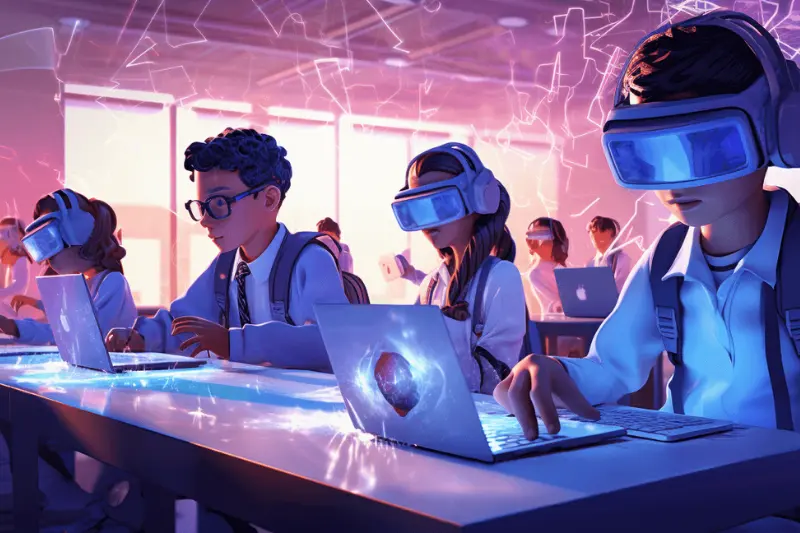
- Immersive Learning: Students can experience subjects through interactive simulations.
- Global Reach: Learners from anywhere in the world can join the same classroom.
- Hands-On Training: Industries like medicine, aviation, and engineering can use VR for risk-free practice.
- Collaboration: Group projects and discussions become more dynamic in shared virtual spaces.
Many universities and companies are already experimenting with metaverse education. For example, medical schools are using VR for surgery training, and corporations use virtual simulations for employee development.
FAQs About Metaverse Future Trends
What is the metaverse?
The metaverse is a virtual world that combines technologies like VR, AR, AI, and blockchain to create immersive digital experiences.
How will the metaverse impact businesses?
Businesses can use the metaverse for virtual offices, e-commerce, customer engagement, product launches, and advertising in 3D environments.
Can you buy land in the metaverse?
Yes, platforms like Decentraland and The Sandbox allow users to purchase, sell, and build on virtual land using cryptocurrencies.
What role do blockchain and cryptocurrencies play in the metaverse?
They power the digital economy by enabling secure transactions, NFT ownership, and decentralized control of assets.
Is the metaverse safe?
While it offers exciting opportunities, there are risks like privacy concerns, scams, and addiction. Strong regulations and awareness are needed for safety.
Will the metaverse replace the internet?
Not entirely. Instead, the metaverse will act as an extension of the internet, offering more immersive and interactive experiences.
How will education benefit from the metaverse?
Students and professionals will enjoy 3D virtual classrooms, interactive simulations, and hands-on training in a more engaging way than traditional learning.
What devices are needed to access the metaverse?
Common devices include VR headsets, AR glasses, PCs, and smartphones, though advanced hardware may be required for full experiences.
Who are some early adopters of the metaverse?
Brands like Nike, Gucci, Samsung, and Meta (Facebook) are already creating virtual stores, products, and experiences in the metaverse.
What challenges does the metaverse face?
Key challenges include privacy issues, high costs, lack of regulations, and ethical concerns around digital identities and ownership.
Conclusion
The metaverse is no longer just a futuristic idea—it’s quickly becoming a reality that will reshape how we live, work, learn, and socialize. From virtual offices and shopping malls to AI-powered avatars and immersive education, the metaverse offers endless opportunities for innovation and growth.
However, with these exciting possibilities come challenges like privacy concerns, high costs, and the need for proper regulations. To unlock its full potential, the metaverse must be built responsibly, ensuring it is safe, accessible, and inclusive for everyone.
In the coming years, the metaverse will likely become as important to our digital lives as the internet is today. Those who embrace it early will be part of shaping this new era of human interaction.