Introduction
Technology never stands still — it keeps evolving, surprising us with innovations that redefine how we live, work, and connect. The term “Next-Gen Tech” (Next Generation Technology) refers to the newest and most advanced wave of digital innovation that’s shaping the future right now. From artificial intelligence (AI) and quantum computing to 5G networks and biotechnology, next-gen technologies are transforming industries, boosting efficiency, and enhancing human experiences.
In today’s rapidly changing world, these technologies are not just tools — they’re driving forces behind global progress. They have the power to solve complex problems, create new opportunities, and pave the way for smarter, safer, and more sustainable living. Whether it’s self-driving cars, virtual reality experiences, or AI-powered healthcare, Next-Gen Tech is setting the stage for a smarter future that’s closer than we think.
What Is Next-Gen Technology?
Next-Gen Technology, short for Next Generation Technology, refers to the latest advancements and innovations that go beyond traditional systems and tools. These technologies are designed to be faster, smarter, and more efficient — improving how humans interact with the digital world.
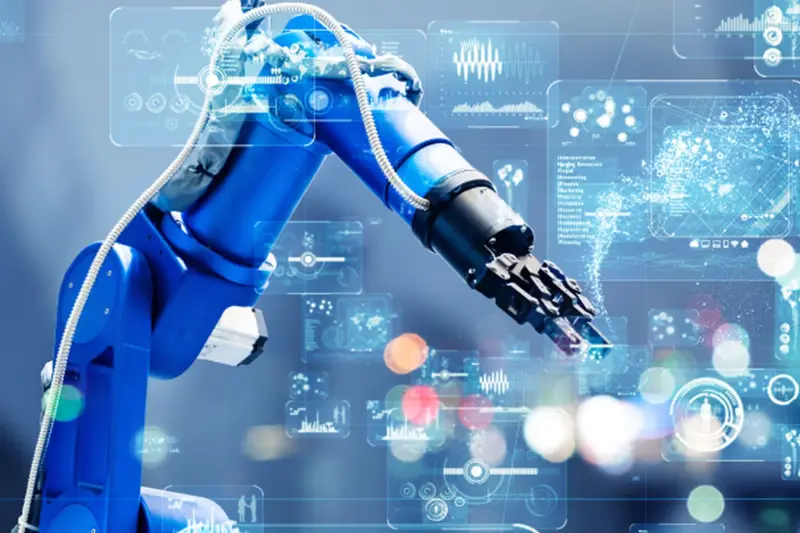
Unlike earlier tech that focused mainly on convenience, Next-Gen Tech focuses on intelligence, automation, and sustainability. It combines advanced computing, data analysis, and connectivity to create solutions that can think, learn, and adapt on their own.
Some of the most powerful examples of Next-Gen Technology include:
- Artificial Intelligence (AI) – Machines that can analyze data, make decisions, and learn from experience.
- Quantum Computing – A new era of computing that performs complex calculations at lightning speed.
- 5G and 6G Networks – Super-fast wireless connections that enable real-time communication and the Internet of Things (IoT).
- Augmented Reality (AR) and Virtual Reality (VR) – Immersive experiences that blend digital and physical worlds.
- Blockchain and Web 3.0 – Technologies ensuring transparency, decentralization, and security online.
- Biotechnology and Genetic Engineering – Innovations that improve healthcare and agriculture.
In short, Next-Gen Tech is about creating smarter systems that enhance human life, offering a glimpse into a future where technology works seamlessly with people to make the world more connected, sustainable, and intelligent.
You may also like to read this:
Future Technology Trends: Innovations That Will Shape World
Upcoming Tech Innovations to Watch in 2025
Latest Technology Advancements: Transforming Our World
Why Next-Gen Tech Matters in Today’s World
In today’s fast-paced digital era, Next-Gen Tech plays a vital role in shaping our future. It’s not just about innovation — it’s about solving real-world problems and creating smarter, more efficient systems that improve every aspect of life. From healthcare to education, business to entertainment, next-generation technologies are transforming how we live and work.
Here’s why Next-Gen Tech matters more than ever:
Drives Global Innovation
- Next-gen technologies like AI, robotics, and quantum computing inspire creativity and push industries to think beyond traditional limits. They help businesses design smarter products, streamline processes, and stay ahead in a competitive world.
Enhances Efficiency and Productivity
- Automation and data-driven decision-making are key outcomes of next-gen innovations. They reduce human error, save time, and allow people to focus on strategic, creative tasks instead of repetitive ones.
Boosts Connectivity and Communication
- Technologies such as 5G and IoT (Internet of Things) are connecting billions of devices worldwide. This improved connectivity supports smarter homes, real-time healthcare monitoring, and seamless digital collaboration.
Promotes Sustainability
- Next-Gen Tech supports eco-friendly solutions like renewable energy, electric vehicles, and smart grids. These innovations reduce waste, cut emissions, and contribute to a cleaner, greener planet.
Improves Quality of Life
- From wearable health monitors to intelligent home assistants, technology is making life more convenient, safe, and personalized. People now enjoy faster services, better healthcare, and instant access to information.
Top Next-Gen Technologies Shaping the Future
The future is being built today — powered by innovations that are smarter, faster, and more adaptive than ever before. These Next-Gen Technologies are revolutionizing industries and setting the stage for a more advanced and connected world. Here are some of the most impactful ones shaping our future:
Artificial Intelligence (AI) and Machine Learning (ML)
- AI and ML are at the heart of modern innovation. From voice assistants like Siri and Alexa to self-driving cars and medical diagnostics, these technologies enable machines to think, learn, and make decisions like humans. Businesses use AI for automation, predictive analytics, and customer personalization — improving both efficiency and experience.
Quantum Computing
- Quantum computing uses quantum bits (qubits) to perform calculations much faster than traditional computers. This breakthrough technology could revolutionize cryptography, drug discovery, financial modeling, and weather forecasting. Though still in its early stages, it promises to solve complex problems that current computers cannot.
5G and 6G Connectivity
- 5G networks are already transforming the way we communicate and share data — offering ultra-fast speeds and almost zero latency. As 6G development begins, we’ll see real-time connections for billions of devices, supporting everything from smart cities and autonomous vehicles to advanced virtual experiences.
Augmented Reality (AR) and Virtual Reality (VR)
- AR and VR blend the digital and physical worlds, creating immersive experiences for gaming, education, training, and design. In the near future, AR glasses and VR environments will be part of everyday work, shopping, and entertainment — making digital interaction more natural and engaging.
Blockchain and Web 3.0
- Blockchain technology brings transparency, decentralization, and security to online transactions. It’s the foundation for cryptocurrencies, NFTs, and smart contracts. Meanwhile, Web 3.0 aims to build a user-controlled internet, giving people ownership of their data and digital identity.
Biotechnology and Genetic Engineering
- Biotech innovations like CRISPR gene editing and regenerative medicine are redefining healthcare. They enable early disease detection, personalized treatments, and even the potential to cure genetic disorders — paving the way for longer, healthier lives.
Internet of Things (IoT)
- IoT connects everyday devices — from refrigerators to cars — to the internet, allowing them to collect and exchange data. This creates smarter homes, efficient factories, and safer cities, where devices communicate and make intelligent decisions without human input.
Robotics and Automation
- Advanced robots are being used in manufacturing, healthcare, agriculture, and even space exploration. They increase precision, reduce human risk, and improve productivity. Next-gen robotics focus on collaboration between humans and machines rather than replacement.
Renewable and Green Technologies
- From solar energy to electric vehicles, green tech innovations are driving sustainability. These technologies aim to reduce carbon emissions and promote clean, renewable energy sources for a healthier planet.
Cybersecurity and Data Protection
- As digital transformation grows, so do cyber threats. Next-gen cybersecurity tools use AI and blockchain to predict, detect, and respond to threats instantly — ensuring data privacy and protecting users in an increasingly connected world.
How Next-Gen Tech Is Transforming Industries
Next-Gen Technology isn’t just reshaping devices — it’s redefining entire industries. From healthcare and education to finance and transportation, these innovations are unlocking new levels of efficiency, creativity, and connectivity. Here’s how Next-Gen Tech is transforming key sectors across the world:
Healthcare: Smarter, Faster, and More Accurate Care
- Next-gen technologies like AI, robotics, and biotechnology are revolutionizing the healthcare industry. AI-powered tools can detect diseases earlier, robotic surgeries improve precision, and telemedicine makes healthcare accessible anywhere. Wearable devices and smart sensors now track vital signs in real time, giving patients more control over their health.
Example: AI algorithms can identify cancer cells faster than traditional methods, helping doctors provide quicker diagnoses and treatment.
Education: Interactive and Personalized Learning
- In the education sector, AR/VR and AI-based platforms are creating immersive learning experiences. Virtual classrooms make remote education engaging, while AI tutors personalize lessons to fit each student’s needs. Students can explore virtual laboratories, historical sites, and even outer space — all from their own devices.
Example: VR headsets are used in classrooms to simulate scientific experiments, enhancing hands-on learning without expensive lab setups.
Finance: Secure and Efficient Transactions
- The financial world has been transformed by blockchain, AI, and data analytics. Blockchain ensures transparency and security in transactions, while AI helps detect fraud and predict market trends. Digital banking and cryptocurrency have made financial services more accessible and convenient than ever before.
Example: AI chatbots now handle customer queries, saving banks time and providing instant support 24/7.
Manufacturing: The Rise of Smart Factories
- Next-Gen Tech has led to the rise of Industry 4.0 — a new era of smart manufacturing driven by IoT, robotics, and automation. Machines now communicate with each other, optimize production lines, and reduce waste. Predictive maintenance powered by AI prevents costly breakdowns and boosts productivity.
Example: Automated robots assemble products with precision and speed, reducing errors and increasing output in factories worldwide.
Transportation: Towards Autonomous Mobility
- From self-driving cars to electric vehicles (EVs), the transportation sector is undergoing a digital revolution. Sensors, AI, and 5G connectivity enable vehicles to make real-time decisions, improving safety and reducing traffic congestion. Additionally, sustainable mobility solutions are reducing carbon emissions.
Example: Tesla’s AI-driven autopilot system is a real-world demonstration of how Next-Gen Tech is shaping the future of mobility.
Retail and E-Commerce: Smarter Shopping Experiences
- Next-Gen Tech is transforming how people shop. AI recommendation systems, AR-based product previews, and automated logistics make shopping faster and more personalized. Customers can “try” clothes virtually or visualize furniture in their homes before buying.
Example: Amazon uses AI to predict what products customers want, optimizing inventory and delivery systems for speed and accuracy.
Agriculture: Digital Farming for a Sustainable Future
- In agriculture, technologies like IoT sensors, drones, and AI-based monitoring are helping farmers make data-driven decisions. They can track soil moisture, predict weather, and manage crops with precision — leading to higher yields and reduced resource waste.
Example: Smart irrigation systems automatically adjust water supply based on real-time soil data, conserving water and boosting productivity.
Entertainment: Immersive Digital Worlds
- With VR, AR, and AI, the entertainment industry is creating immersive and interactive experiences. Streaming platforms use AI to personalize content, while VR gaming transports players into new realities.
Example: Virtual concerts and metaverse platforms are changing how audiences connect with artists and events.
Benefits of Next-Gen Technology
Next-Gen Technology is not just about creating futuristic gadgets — it’s about improving lives, empowering businesses, and building a smarter, more sustainable world. These advanced innovations bring countless benefits across industries and everyday life. Below are some of the most impactful advantages of adopting Next-Gen Tech:
Enhanced Efficiency and Productivity
- Next-gen innovations like AI, automation, and machine learning help perform complex tasks faster and more accurately than humans. Businesses can automate repetitive work, analyze massive datasets in seconds, and make smarter decisions — leading to higher productivity and lower operational costs.
Example: AI-powered tools can process thousands of financial transactions per second, detecting errors or fraud instantly.
Better Decision-Making Through Data
- With technologies like big data analytics and AI, organizations can make data-driven decisions. Next-gen systems can identify trends, predict outcomes, and offer insights that were impossible to achieve manually — helping businesses stay competitive and informed.
Example: Retailers use AI analytics to predict which products will sell best during certain seasons.
Improved Connectivity and Communication
- Technologies such as 5G, IoT, and cloud computing have revolutionized how we connect and communicate. They enable seamless, real-time communication between people, devices, and systems, making collaboration easier across the globe.
Example: Remote workers can collaborate instantly through cloud-based platforms and high-speed 5G connections.
Greater Personalization and Customer Experience
- Next-gen tech allows companies to provide customized experiences based on user preferences. AI recommendation systems, personalized ads, and smart assistants tailor products and services to individual needs — enhancing satisfaction and loyalty.
Example: Streaming platforms like Netflix use AI to recommend shows based on your viewing history.
Sustainability and Environmental Protection
- Many Next-Gen Technologies focus on green innovation — promoting energy efficiency, clean energy, and waste reduction. Smart grids, electric vehicles, and renewable energy systems contribute to a healthier planet and a sustainable future.
Example: Smart energy meters monitor electricity usage, helping users reduce consumption and lower carbon emissions.
Advanced Healthcare and Wellbeing
- In the medical field, Next-Gen Tech enables faster diagnoses, personalized treatments, and remote patient monitoring. AI-powered imaging, telemedicine, and biotech research are saving lives and improving health outcomes worldwide.
Example: Wearable health devices monitor heart rate, sleep patterns, and oxygen levels to alert users to potential health issues.
Increased Security and Safety
- Modern cybersecurity tools powered by AI and blockchain protect sensitive data from hackers and fraud. In addition, advanced surveillance and sensor technologies ensure public safety and workplace security.
Example: Blockchain-based systems make online transactions tamper-proof, reducing the risk of data breaches.
Cost Reduction
- Automation, cloud computing, and digital transformation reduce the need for manual labor and physical infrastructure. Companies can streamline operations, cut expenses, and deliver services more efficiently.
Example: Cloud-based solutions eliminate the cost of maintaining expensive in-house servers.
Encourages Innovation and Creativity
- By reducing repetitive work and providing access to advanced tools, Next-Gen Tech gives people more time to focus on creativity, strategy, and problem-solving. It encourages innovation across all fields — from startups to global enterprises.
Example: Designers use AR/VR technology to visualize prototypes in 3D before production, saving time and resources.
Better Quality of Life
- Ultimately, the biggest benefit of Next-Gen Technology is how it enhances everyday living. Smart homes, voice assistants, electric vehicles, and digital health tools make life more convenient, safe, and enjoyable.
Example: Home automation systems adjust lighting, temperature, and security with just a voice command or smartphone tap.
The Role of Artificial Intelligence in Next-Gen Innovations
When we talk about Next-Gen Technology, one force stands out above all — Artificial Intelligence (AI). It’s the foundation of modern innovation, powering everything from smart assistants to self-driving cars. AI enables machines to learn, reason, and make decisions just like humans — but faster, more accurately, and without fatigue.
Let’s explore how AI is driving Next-Gen Tech and reshaping industries across the globe.
Powering Automation and Efficiency
- AI automates complex tasks that once required human effort. From chatbots answering customer queries to intelligent manufacturing systems, AI enhances efficiency and minimizes human error. It helps businesses cut costs while maintaining consistency and precision.
Example: In factories, AI-driven robots can monitor production lines, detect problems instantly, and optimize output without human intervention.
Revolutionizing Healthcare
- AI plays a crucial role in modern medicine by analyzing medical images, predicting diseases, and assisting doctors in diagnosis. With machine learning models, healthcare providers can make faster, data-backed decisions, improving treatment accuracy and patient care.
Example: AI systems can detect early signs of conditions like cancer or diabetes by analyzing medical scans and lab results faster than traditional methods.
Enabling Smarter Decision-Making
- AI transforms how businesses and governments make decisions. By processing huge amounts of data, it identifies patterns, forecasts trends, and provides actionable insights that humans might overlook.
Example: In finance, AI algorithms predict market movements and detect fraudulent transactions in real time.
Enhancing User Experience and Personalization
- One of AI’s most noticeable impacts is personalization. From social media feeds to e-commerce recommendations, AI tailors content and products based on user behavior and preferences — creating more engaging and satisfying experiences.
Example: Netflix and Spotify use AI to recommend shows and music that match your individual taste.
Driving Autonomous Systems
- AI is the backbone of autonomous technologies — including self-driving cars, drones, and robots. These systems rely on AI to interpret data from sensors, make split-second decisions, and navigate complex environments safely.
Example: Tesla’s autopilot system and Waymo’s self-driving cars use AI to analyze traffic, detect obstacles, and ensure passenger safety.
Strengthening Cybersecurity
- As digital threats evolve, AI helps identify and stop cyberattacks before they cause damage. It continuously learns from data to detect unusual patterns or suspicious behavior, ensuring a stronger layer of security.
Example: AI-based security systems monitor network traffic and automatically block potential hacking attempts.
Supporting Sustainable Development
- AI contributes to solving global challenges like climate change and resource management. It optimizes energy consumption, predicts weather patterns, and improves agricultural efficiency — supporting a more sustainable planet.
Example: Smart grids use AI to balance electricity supply and demand, reducing energy waste.
Empowering Next-Gen Creativity
- AI is not just logical — it’s creative too. From generating digital art to composing music and writing stories, AI is becoming a co-creator with humans. Tools like ChatGPT, DALL·E, and Midjourney are examples of how AI fuels innovation in creative industries.
Example: Designers use AI to create 3D models, logos, and virtual prototypes faster than ever before.
You may also like to read this:
Latest Tech News 2025: Breakthroughs & Trends
Trending Technology Updates: Latest Innovations 2025
Daily Tech News Highlights – Latest Trends
Breaking Tech News Today: Latest Updates, 2025
Next-Gen Connectivity: 5G, 6G, and Beyond
Connectivity is the backbone of modern innovation, and as technology evolves, so does our need for faster, more reliable, and smarter communication networks. The move from 4G to 5G, and soon to 6G, marks a new era of hyper-connectivity that will revolutionize industries, enhance communication, and make the digital world more seamless than ever.
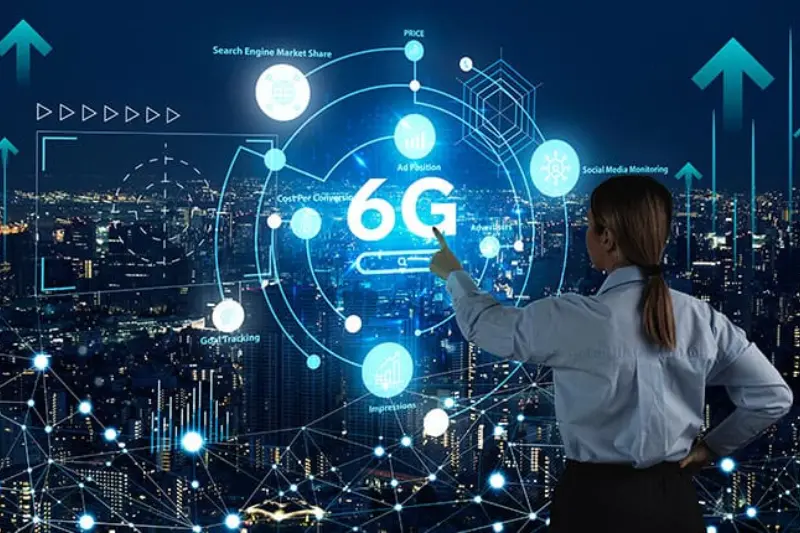
Let’s explore how these next-generation networks are shaping our connected future.
The Rise of 5G: Faster, Smarter, and More Efficient
5G (fifth-generation wireless technology) is a major leap from 4G in terms of speed, capacity, and responsiveness. It offers:
- Ultra-fast speeds — up to 100x faster than 4G.
- Low latency — real-time communication with almost zero delay.
- Massive connectivity — allowing billions of devices to stay connected simultaneously.
This breakthrough enables technologies like autonomous vehicles, remote surgery, smart cities, and IoT (Internet of Things) to operate more efficiently and safely.
Example: In healthcare, 5G allows doctors to perform remote surgeries using robotic tools with precision and no lag time.
6G: The Next Step in Wireless Evolution
While 5G is still expanding globally, 6G is already being developed — promising even more revolutionary capabilities. Expected to launch around 2030, 6G will deliver:
- Speeds up to 1000x faster than 5G.
- Ultra-low latency for instant communication.
- AI-integrated networks that can self-optimize in real time.
- Seamless integration with virtual and augmented reality, making holographic communication and immersive experiences a reality.
6G will power the metaverse, smart robotics, space-based internet, and fully automated systems, taking global connectivity to a new level.
Internet of Things (IoT) Expansion
- Next-gen connectivity fuels the growth of the Internet of Things, where billions of devices — from smart homes to industrial machines — communicate and share data. With 5G and 6G, IoT will become more reliable, faster, and secure, enabling intelligent decision-making and automation at an unprecedented scale.
Example: Smart homes use IoT sensors to adjust lighting, temperature, and security automatically, saving energy and improving comfort.
Enabling Smart Cities and Autonomous Systems
- 5G and 6G networks are key to creating smart cities where data-driven systems manage everything — from traffic control to waste management. Autonomous vehicles will communicate with each other and road infrastructure in real time, reducing accidents and congestion.
Example: Smart traffic lights powered by 5G can instantly adapt to changing road conditions, improving traffic flow and safety.
Boosting Digital Transformation in Industries
- With high-speed, low-latency connectivity, industries such as manufacturing, logistics, and energy are becoming digitally connected ecosystems. Factories use 5G for remote monitoring, predictive maintenance, and real-time production control.
Example: In manufacturing, 5G enables “smart factories” where robots and machines coordinate with each other without human input.
Beyond Connectivity: AI-Driven Networks
- Next-Gen networks are not just faster — they’re intelligent. Future 6G systems will use AI and machine learning to manage bandwidth, detect network issues automatically, and optimize performance. This means fewer interruptions and a more stable, adaptive connection for users.
Bridging the Global Digital Divide
- Next-Gen connectivity also aims to bring the internet to remote and underserved regions. With satellite-based 5G and future 6G systems, even rural and isolated communities will have access to high-speed internet, helping close the global digital gap.
Example: SpaceX’s Starlink project uses satellite networks to deliver high-speed internet to areas without traditional infrastructure.
FAQs
What is Next-Gen Technology?
Next-Gen Technology refers to the latest generation of innovations such as AI, quantum computing, and advanced connectivity (like 5G and 6G) that push the boundaries of what’s possible in tech.
Why is Next-Gen Tech important?
It drives progress by improving efficiency, creating smarter systems, promoting sustainability, and transforming industries like healthcare, education, and transportation.
What is Next-Gen Technology?
Examples include Artificial Intelligence (AI), Quantum Computing, Blockchain, 5G/6G Networks, Augmented Reality (AR), and Biotechnology.
How does Next-Gen Tech affect jobs and employment?
While automation may replace some repetitive tasks, it also creates new roles in AI, robotics, cybersecurity, and data science — making the workforce more skilled and tech-driven.
Is Next-Gen Technology sustainable?
Yes. It supports sustainability through smart energy management, eco-friendly systems, green manufacturing, and innovative solutions that reduce carbon emissions.
What’s the future of Next-Gen Tech?
The future will bring even faster networks, intelligent automation, powerful quantum computers, and more integration between digital and physical worlds — shaping a connected and sustainable global society.
Conclusion
Next-Gen Technology represents the dawn of a new digital era — one that’s smarter, faster, and more connected than ever before. From artificial intelligence and quantum computing to green innovations and automation, these advancements are not only transforming industries but also improving daily life.
As we move forward, the focus should be on innovation with responsibility — ensuring that progress benefits humanity while addressing ethical, environmental, and privacy concerns.
In short, Next-Gen Tech isn’t just about futuristic gadgets — it’s about shaping a better, more intelligent, and sustainable world for generations to come.
You may also like to read this:
4K Smart TVs: Revolutionizing Home Entertainment