Introduction
Operating systems (OS) are the heart of every computer, smartphone, and digital device we use today. They manage hardware, run applications, and create a smooth experience for users. Over the years, operating systems have evolved from basic command-line tools to smart, cloud-connected, and AI-powered platforms.
In today’s fast-changing tech world, OS developers are constantly introducing new features to make systems faster, safer, and more efficient. From artificial intelligence and cloud computing to enhanced security and cross-platform integration, several key trends are shaping the future of operating systems in 2025 and beyond.
In this article, we’ll explore the latest operating system trends, understand how they’re transforming user experiences, and what the future of computing might look like.
What Are Operating System Trends?
Operating system trends refer to the latest developments, innovations, and changes in how operating systems are designed, built, and used. These trends highlight the direction in which technology is heading — focusing on making devices smarter, faster, and more connected than ever before.

- In simple terms, operating system trends show how modern OS platforms are adapting to new technologies like artificial intelligence (AI), cloud computing, Internet of Things (IoT), and enhanced security demands. They help developers and users stay prepared for the future of computing.
- For example, traditional systems like Windows, macOS, and Linux are now integrating cloud features, automation, and improved user interfaces to meet modern needs. Meanwhile, mobile operating systems such as Android and iOS are becoming more intelligent and energy-efficient.
In short, these trends are shaping how we interact with technology — from the devices we use daily to the systems that power entire networks and businesses.
The Evolution of Modern Operating Systems
In the beginning, operating systems were basic tools designed to manage hardware and run simple programs. Early systems like MS-DOS or UNIX required users to type commands manually. As technology advanced, graphical user interfaces (GUIs) like those in Windows and macOS made computers easier to use, opening the door for personal computing.
The rise of the internet and smartphones transformed the landscape even further. Mobile operating systems like Android and iOS brought connectivity, portability, and convenience to billions of users worldwide.
- Today, modern OS platforms are more powerful, secure, and intelligent than ever before. They integrate features like AI automation, cloud storage, cross-device synchronization, and real-time security protection. Operating systems are no longer limited to computers — they now power smart TVs, cars, watches, and IoT devices, making them a crucial part of our connected world.
In short, the evolution of operating systems reflects how far technology has come — from manual commands to self-learning, adaptive systems that anticipate our needs.
Key Operating System Trends in 2025 and Beyond
As technology continues to evolve, operating systems are becoming more intelligent, connected, and user-focused. The year 2025 marks a new era where operating systems are not just managing hardware but actively enhancing user experiences through automation, cloud integration, and AI-powered features. Below are the key operating system trends shaping the future of computing.
1. Cloud-Based Operating Systems
The future is moving toward the cloud. Cloud-based OS platforms store data and applications on remote servers instead of local drives. This makes devices lighter, faster, and more accessible from anywhere.
Examples: Chrome OS, Windows 365.
Benefits:
- Access files from any device
- Seamless updates and backups
- Reduced hardware costs
2. AI-Powered Operating Systems
Artificial Intelligence (AI) is now a core feature of modern OS. From predictive text and smart power management to voice commands and personalized recommendations, AI is making operating systems smarter and more efficient.
Example: Windows Copilot and Apple’s Siri integration.
Benefits:
- Better performance optimization
- Intelligent automation
- Enhanced personalization
3. Enhanced Security and Privacy Features
With increasing cyber threats, OS developers are making security a top priority. New systems come with built-in firewalls, biometric authentication, encrypted storage, and privacy dashboards.
Examples: Android Privacy Sandbox, macOS FileVault.
Focus areas:
- Data encryption
- Biometric logins (Face ID, fingerprint)
- Anti-tracking features
4. Cross-Platform Integration
Users want seamless transitions between their phones, tablets, and computers. OS platforms are being designed to sync effortlessly across multiple devices.
Examples: Apple ecosystem (macOS, iOS, iPadOS), Windows Link to Phone.
Benefits:
- Unified app experience
- Smooth data transfer
- Productivity boost
5. Open Source and Customization
Open-source systems are empowering developers to build custom OS environments for specific industries or devices. Linux, Android, and Fuchsia OS are leading this movement.
Advantages:
- Greater flexibility
- Transparency and control
- Innovation through community collaboration
6. Energy-Efficient and Sustainable OS Designs
Eustainability is becoming a global priority. Operating systems now focus on energy-saving technologies, optimizing battery life, and reducing carbon impact.
Examples: Adaptive brightness, power-efficient modes, and minimal background processing.
7. Edge Computing and IoT Integration
With the rise of the Internet of Things (IoT), new operating systems are built to support small, connected devices like wearables, sensors, and smart home systems.
Examples: Huawei HarmonyOS, Google Fuchsia.
Benefits:
- Real-time data processing
- Faster local performance
- Improved connectivity
8. Virtualization and Containerization
- Enterprises are shifting toward virtual environments to improve flexibility and scalability. OS platforms now support containers and virtual machines for safer and faster app deployment.
- Examples: Windows Subsystem for Linux (WSL), Docker, Kubernetes.
9. Voice and Gesture-Based Interfaces
- Future OS interfaces will be more natural and hands-free. Users can control devices through voice commands, gestures, or even eye tracking.
- Examples: Windows Copilot, Android Voice Access.
Advantages:
- Accessibility for all users
- Faster multitasking
- Modern, futuristic experience
How These Trends Are Changing User Experience
The evolution of operating systems is not just about technology — it’s about how users interact with their devices every day. The latest OS trends are transforming the user experience by making systems smarter, faster, and more personalized than ever before.
Here’s how these innovations are reshaping the way we use technology:
1. Smarter and More Personalized Systems
- Thanks to AI integration, operating systems can now learn from user behavior. They adapt settings, recommend actions, and optimize performance automatically. This personalization creates a smoother and more intuitive experience where the system feels almost human in its responses.
- Example: Windows Copilot and Apple’s Siri suggest actions based on your habits.
2. Seamless Connectivity Across Devices
- Cross-platform compatibility allows users to start a task on one device and continue it on another without interruption. Whether you’re working on a laptop, phone, or tablet, modern OS ecosystems keep your data synced and accessible everywhere.
- Example: Apple’s Handoff and Microsoft’s Cloud Sync.
3. Faster and More Secure Performance
- Enhanced security and cloud-based updates ensure users enjoy safer, more reliable systems. Features like biometric logins and real-time malware protection make the overall experience more trustworthy and hassle-free.
- Result: Users spend less time fixing problems and more time being productive.
4. Eco-Friendly and Energy-Saving Experiences
- Energy-efficient operating systems help extend battery life and reduce resource usage. This not only benefits the environment but also improves the convenience of mobile computing — especially for users constantly on the go.
5. Natural Interaction Through Voice and Gestures
- Voice assistants, gesture recognition, and touchless controls are redefining how users communicate with devices. These features make technology more accessible and engaging, especially for those who prefer hands-free operation.
Overall, these operating system trends are creating a user experience that’s more intelligent, secure, connected, and sustainable — aligning technology with human needs like never before.
Impact of Operating System Trends on Businesses and Developers
The latest operating system trends are not only transforming user experiences but also creating new opportunities and challenges for businesses and developers. As operating systems evolve, companies must adapt their products, apps, and services to stay competitive in the digital era.
Here’s how these trends are making an impact:
1. Faster App Development and Deployment
- With the rise of cloud-based and containerized systems, developers can now build, test, and deploy apps faster than ever. Tools like Docker and Kubernetes allow applications to run smoothly across multiple OS platforms without compatibility issues.
- Benefit: Reduced development time and lower maintenance costs.
2. Greater Focus on Cross-Platform Compatibility
- Businesses are moving toward apps and software that work seamlessly across all devices and systems. This trend pushes developers to design universal applications that perform equally well on Windows, macOS, Android, and iOS.
- Result: Broader audience reach and increased user satisfaction.
3. Enhanced Security Standards
- As operating systems strengthen their security features, businesses and developers must follow stricter protocols. This includes integrating data encryption, secure APIs, and biometric authentication into their applications.
- Outcome: Improved trust and compliance with global privacy standards like GDPR.
4. Increased Demand for AI and Automation Skills
- With AI becoming a key part of modern OS platforms, developers are expected to build smarter applications that leverage machine learning, voice recognition, and predictive algorithms.
- Business advantage: More personalized user experiences and improved operational efficiency.
5. Innovation in IoT and Edge Computing
- The expansion of IoT devices requires developers to create lightweight, efficient software that runs on specialized operating systems. Businesses are using these systems to collect real-time data, automate processes, and enhance decision-making.
- Example: Smart home technology, connected vehicles, and industrial sensors.
6. Sustainable and Cost-Effective Solutions
- Energy-efficient operating systems help organizations reduce power usage and lower operational costs. Developers are optimizing apps to consume fewer resources, aligning with the growing trend of digital sustainability.
In short, these operating system trends are redefining how businesses operate and how developers create software. Companies that embrace these changes gain a competitive edge through efficiency, innovation, and user trust.
Future Predictions for Operating Systems
As technology continues to evolve, operating systems will keep transforming to meet the demands of an increasingly connected and intelligent world. The next generation of OS platforms will go far beyond managing hardware — they’ll become smart ecosystems that learn, adapt, and integrate seamlessly across devices and environments.
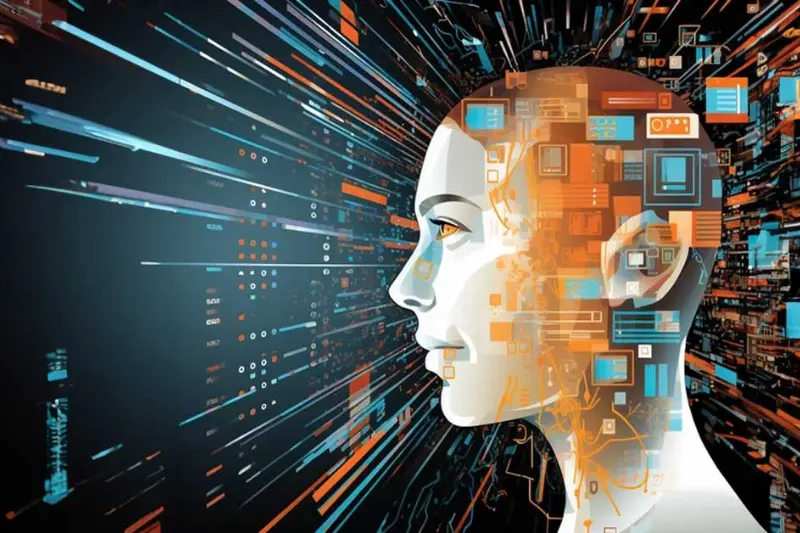
Here are some key predictions for the future of operating systems:
1. Fully AI-Driven Systems
- Artificial intelligence will play a central role in future OS design. We can expect systems that automatically learn user habits, predict needs, and optimize performance without manual input. These OS platforms will function more like digital assistants, capable of managing tasks, security, and system performance intelligently.
- Example: AI-driven system resource management in Windows and macOS.
2. Deeper Cloud Integration
- In the coming years, operating systems will rely more on the cloud than on local storage. Cloud-based OS models will allow users to access their data, settings, and apps instantly from any device, making computing more flexible and hardware-independent.
3. Stronger Focus on Privacy and Digital Trust
- With growing concerns about data security, future OS platforms will likely introduce transparent privacy dashboards, encrypted user profiles, and advanced protection systems using blockchain technology. Users will have more control over what data is collected and how it’s used.
4. Unified Experiences Across All Devices
- The line between mobile, desktop, and wearable operating systems will continue to blur. A single OS ecosystem may soon power phones, laptops, tablets, and IoT devices — ensuring a truly unified digital experience.
- Example: Apple’s ecosystem and Microsoft’s multi-device continuity features.
5. Quantum and Edge Computing Integration
- As quantum computing and edge technology mature, operating systems will evolve to manage and distribute computing tasks more efficiently. They’ll be able to handle high-performance workloads and real-time data analysis at lightning speed, revolutionizing industries like healthcare, AI, and finance.
6. Sustainability and Green Technology
- Future OS platforms will be designed with sustainability at their core — minimizing power consumption, recycling unused resources, and supporting eco-friendly hardware integration. Expect smarter battery optimization and energy-efficient coding practices.
7. More Natural User Interfaces
- Voice, gesture, and even emotion recognition will redefine how humans interact with devices. Future operating systems may integrate augmented reality (AR) and virtual reality (VR) for immersive, hands-free experiences.
The future of operating systems is heading toward intelligence, adaptability, and sustainability. As technology continues to merge physical and digital experiences, OS platforms will become the foundation of a truly connected, AI-driven world.
FAQs
What are operating system trends?
Operating system trends are the latest developments and innovations that shape how OS platforms are built and used. These include cloud integration, AI automation, stronger security, and cross-device connectivity.
Why are operating system trends important?
These trends help improve user experience, enhance security, boost performance, and enable businesses and developers to create smarter, more efficient software and services.
How is AI changing operating systems?
AI is making operating systems smarter by learning user behavior, automating tasks, improving system performance, and enhancing security. It allows OS platforms to deliver personalized and adaptive experiences.
What role does the cloud play in modern operating systems?
Cloud technology enables users to access their data, apps, and settings from anywhere, reducing the need for powerful local hardware. It also improves speed, flexibility, and security.
How will operating systems look in the future?
Future OS platforms will likely be fully AI-driven, cloud-based, and integrated across all devices. They’ll offer advanced privacy controls, sustainable performance, and natural user interfaces like voice and gesture control.
How do these trends impact businesses and developers?
They push businesses and developers to build more secure, cross-platform, and AI-powered applications. This leads to better customer experiences, lower costs, and faster innovation.
Conclusion
Operating systems have come a long way — from simple command-line programs to powerful, intelligent ecosystems that shape how we work, connect, and live. The latest operating system trends highlight a shift toward smarter, faster, and more secure digital experiences powered by AI, cloud computing, and cross-device integration.
In the coming years, OS platforms will continue to evolve with greater emphasis on automation, personalization, and sustainability. Whether it’s through voice commands, IoT integration, or cloud-based systems, the goal remains the same — to make technology simpler, safer, and more accessible for everyone.
For users, this means a smoother, more intuitive experience. For businesses and developers, it opens doors to innovation, efficiency, and endless possibilities. The future of operating systems is not just about technology — it’s about building a smarter, more connected world.